Brossard vs Sainte-Foy–Sillery–Cap-Rouge
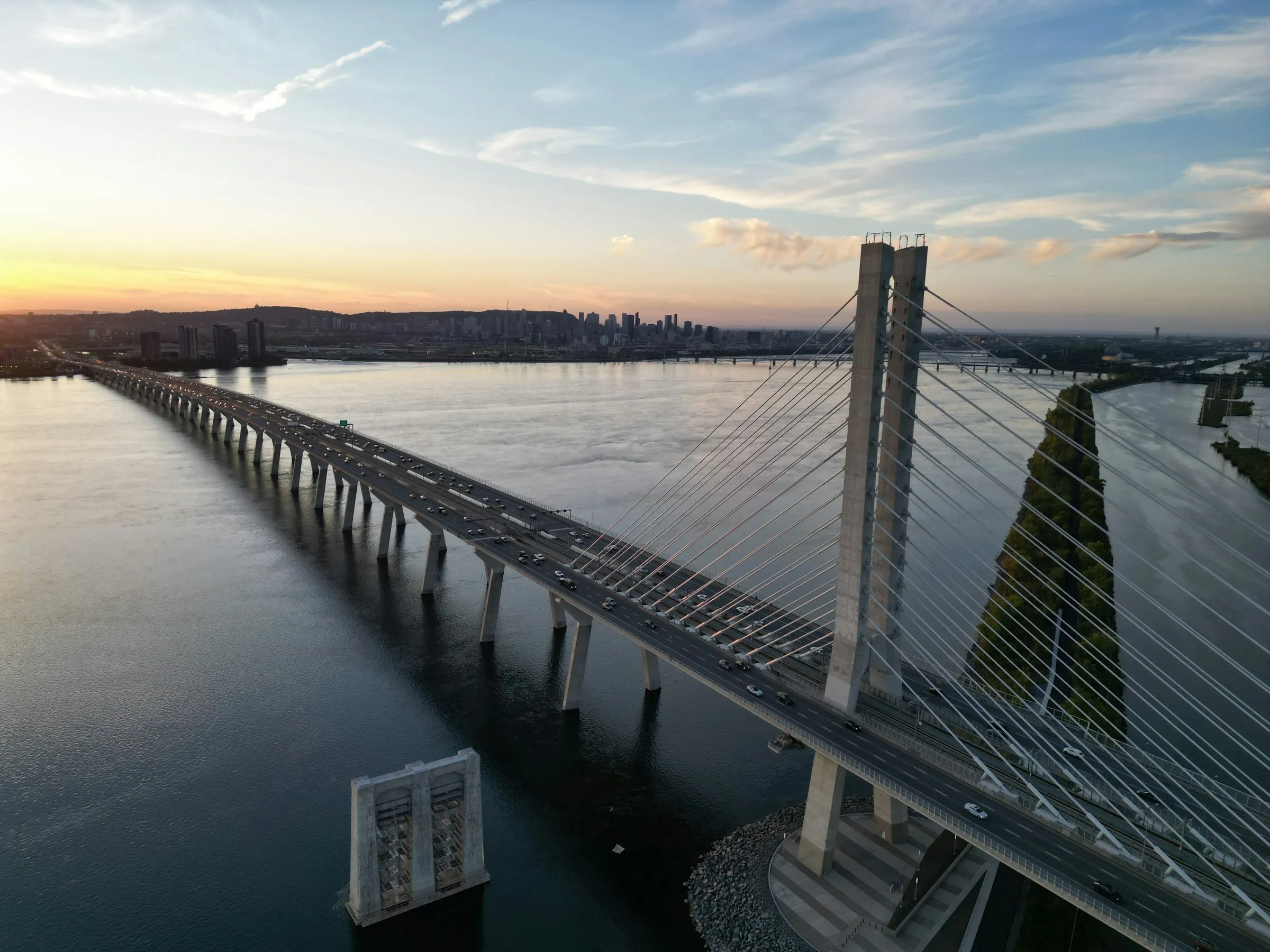
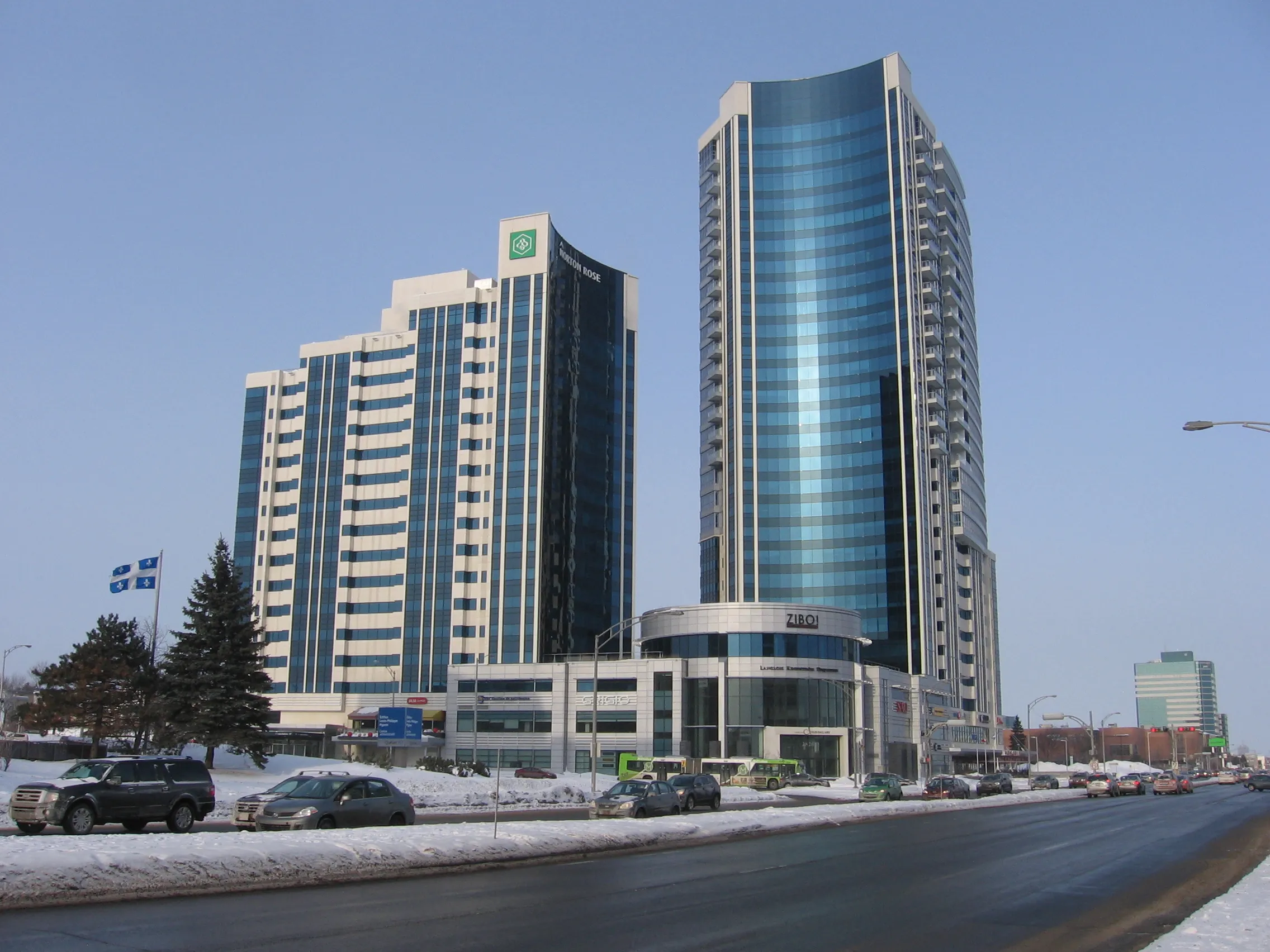
vs
Brossard×GatineauBrossard×LavalGatineau×Sainte-Foy–Sillery–Cap-RougeLaval×Sainte-Foy–Sillery–Cap-RougeLe Plateau-Mont-Royal×VerdunOutremont×Rosemont-La Petite-PatrieLachine×Saint-LaurentSherbrooke×Trois-RivièresLaval×QuébecGatineau×SaguenayBeauport×CharlesbourgLe Plateau-Mont-Royal×La Cité-LimoilouBrossard×GatineauBrossard×LavalGatineau×Sainte-Foy–Sillery–Cap-RougeLaval×Sainte-Foy–Sillery–Cap-RougeLe Plateau-Mont-Royal×VerdunOutremont×Rosemont-La Petite-PatrieLachine×Saint-LaurentSherbrooke×Trois-RivièresLaval×QuébecGatineau×SaguenayBeauport×CharlesbourgLe Plateau-Mont-Royal×La Cité-Limoilou
Comparison
The same numbers,
side by side.
Sainte-Foy–Sillery–Cap-Rouge leads on 6 of the 6 dimensions compared. Between Brossard and Sainte-Foy–Sillery–Cap-Rouge, 10 public indicators line up. Brossard pulls ahead with 91,525 residents on population (107,657 residents for Sainte-Foy–Sillery–Cap-Rouge). Brossard holds 45.2 km² on area, 96.7 km² for Sainte-Foy–Sillery–Cap-Rouge. Brossard shows 2,025 residents per km² on density versus 1,113 residents per km² for Sainte-Foy–Sillery–Cap-Rouge. The difference shows mostly on area, where Sainte-Foy–Sillery–Cap-Rouge leads by 2.1× more, and on density, where Brossard regains 82% more.
| Indicator | Brossard | Sainte-Foy–Sillery–Cap-Rouge |
|---|---|---|
| Population (residents) | 91 525 | 107 657 |
| Area (square kilometres) | 45,2 km² | 96,7 km² |
| Density (residents per km²) | 2 025 | 1 113 |
| Bus stops (stops) | 678 | 877 |
| Schools (schools (MEQ)) | 16 | 27 |
| Primary schools (primary schools) | 11 | 15 |
| Secondary schools (secondary schools) | 2 | 3 |
| Public schools (public schools) | 13 | 20 |
| Private schools (private schools) | 3 | 7 |
| CEGEPs (CEGEPs and colleges) | 6 | 7 |
In short
Sainte-Foy, Sillery and Cap-Rouge cover 96.7 km², a territory about 2.1 times larger (or 114% more) than Brossard, which occupies 45.2 km². This difference in space allows the Quebec City borough to offer a lower population density of 1,113 inhabitants per km², while the Montreal South Shore city displays a density of 2,025 inhabitants per km², which is 82% more. The Quebec City sector stands out for its educational network with 27 schools compared to 16 in Brossard, representing 69% more establishments for Sainte-Foy, Sillery and Cap-Rouge.
Questions
Questions about Brossard vs Sainte-Foy–Sillery–Cap-Rouge
- What is the difference in residential density between these two sectors?
- Brossard has a density of 2,025 inhabitants per km², which is 82% more than Sainte-Foy, Sillery and Cap-Rouge with 1,113 inhabitants per km². Brossard offers a more compact and urban living environment, while the Quebec City borough provides larger residential spaces.
- How does the school offering compare for families?
- Sainte-Foy, Sillery and Cap-Rouge has 27 schools in total, which is 69% more than Brossard with 16. The Quebec City borough stands out with 15 primary schools and 3 secondary schools, compared to 11 primary schools and 2 secondary schools in Brossard.
- What is the private school offering like in these two regions?
- Sainte-Foy, Sillery and Cap-Rouge has 7 private schools, which is about 2.3 times more (133% more) than Brossard with 3. This offers a wider variety of private education options to parents in the Quebec City region.
- What about the public transit network?
- Sainte-Foy, Sillery and Cap-Rouge has 877 bus stops compared to 678 in Brossard, representing an absolute difference of 199 stops. Both sectors offer structured networks to facilitate the daily commute of their residents.
- Which sector has the larger population?
- Sainte-Foy, Sillery and Cap-Rouge is more populated with 107,657 inhabitants, compared to Brossard with 91,525. The absolute difference stands at 16,132 residents in favor of the Quebec City borough.
Other pairs
Explore other comparisons.
Compare 2 other neighbourhoods
Pick freely from all covered places.