Laval vs Sainte-Foy–Sillery–Cap-Rouge
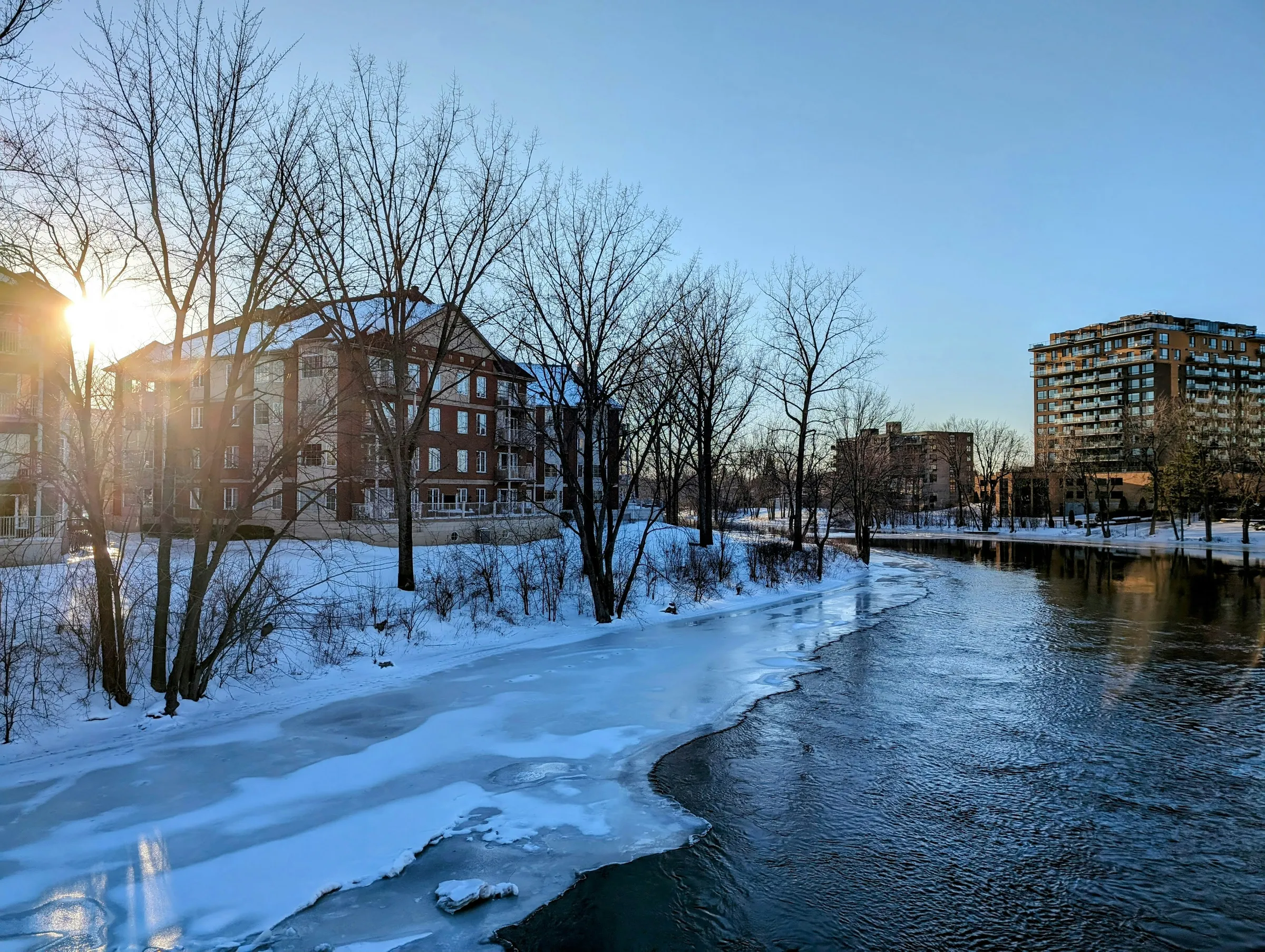
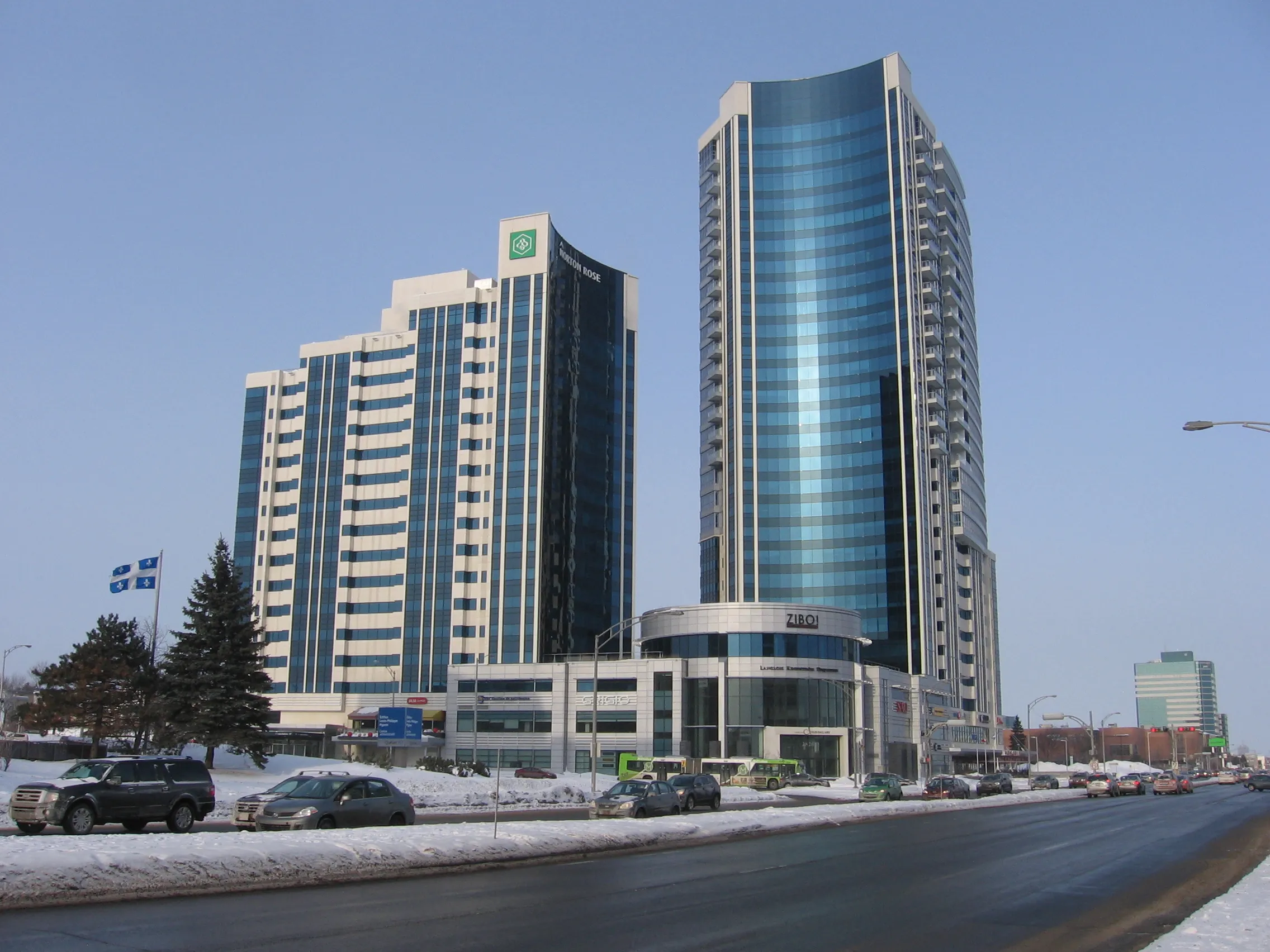
vs
Brossard×LavalGatineau×LavalBrossard×Sainte-Foy–Sillery–Cap-RougeGatineau×Sainte-Foy–Sillery–Cap-RougeLe Plateau-Mont-Royal×VerdunOutremont×Rosemont-La Petite-PatrieLachine×Saint-LaurentSherbrooke×Trois-RivièresGatineau×SaguenayBeauport×CharlesbourgLe Plateau-Mont-Royal×La Cité-LimoilouBrossard×LavalGatineau×LavalBrossard×Sainte-Foy–Sillery–Cap-RougeGatineau×Sainte-Foy–Sillery–Cap-RougeLe Plateau-Mont-Royal×VerdunOutremont×Rosemont-La Petite-PatrieLachine×Saint-LaurentSherbrooke×Trois-RivièresGatineau×SaguenayBeauport×CharlesbourgLe Plateau-Mont-Royal×La Cité-Limoilou
Comparison
The same numbers,
side by side.
Laval leads on 5 of the 5 dimensions compared. Between Laval and Sainte-Foy–Sillery–Cap-Rouge, 10 public indicators line up. on population, Laval reaches 438,370 residents while Sainte-Foy–Sillery–Cap-Rouge sits at 107,657 residents. 246.1 km² on area in Laval, 96.7 km² in Sainte-Foy–Sillery–Cap-Rouge. Laval pulls ahead with 1,781 residents per km² on density (1,113 residents per km² for Sainte-Foy–Sillery–Cap-Rouge). The difference shows mostly on population, where Laval leads by 4.1× more.
| Indicator | Laval | Sainte-Foy–Sillery–Cap-Rouge |
|---|---|---|
| Population (residents) | 438 370 | 107 657 |
| Area (square kilometres) | 246,1 km² | 96,7 km² |
| Density (residents per km²) | 1 781 | 1 113 |
| Bus stops (stops) | 2 785 | 877 |
| Schools (schools (MEQ)) | 100 | 27 |
| Primary schools (primary schools) | 73 | 15 |
| Secondary schools (secondary schools) | 16 | 3 |
| Public schools (public schools) | 90 | 20 |
| Private schools (private schools) | 10 | 7 |
| CEGEPs (CEGEPs and colleges) | 7 | 7 |
In short
Laval stands out with its secondary education offering 16 secondary schools, which is about 5.3 times more (433% more) than Sainte-Foy-Sillery-Cap-Rouge with 3. This difference is explained by the scale of the two territories, Laval hosting a population of 438,370 compared to 107,657 for the Quebec City borough. While Laval is a large city of 246.1 km² with 2,785 bus stops, Sainte-Foy-Sillery-Cap-Rouge offers a more concentrated alternative on its 96.7 km² with a perfect tie of 7 CEGEPs on each side.
Questions
Questions about Laval vs Sainte-Foy–Sillery–Cap-Rouge
- What is the difference for children's primary and secondary schooling?
- Laval has 73 primary schools compared to 15 for Sainte-Foy-Sillery-Cap-Rouge, which is about 4.9 times more (387% more). For secondary education, Laval has 16 institutions compared to 3 for the Quebec City borough, representing an absolute difference of 13 schools.
- How are public and private schools distributed between these two sectors?
- Laval's public network has 90 schools, which is about 4.5 times more (350% more) than Sainte-Foy-Sillery-Cap-Rouge with 20. The private offering is very close with 10 private schools in Laval compared to 7 in the Quebec City sector.
- Which option is better for access to public transit?
- Laval offers an extensive network of 2,785 bus stops, which is about 3.2 times more (218% more) than Sainte-Foy-Sillery-Cap-Rouge with 877. This absolute difference of 1,908 stops covers Laval's large area of 246.1 km².
- Which territory offers the less dense living environment?
- Sainte-Foy-Sillery-Cap-Rouge has a density of 1,113 residents per square kilometer, while Laval's density rises to 1,781. The absolute difference of 668 residents per square kilometer translates into a more spacious residential environment in the Quebec City sector.
- What about the offering for college studies?
- Both territories show a perfect tie with a total of 7 CEGEPs each. Students benefit from varied training paths on both sides, with no difference in this regard.
Other pairs
Explore other comparisons.
Compare 2 other neighbourhoods
Pick freely from all covered places.