Laval vs Québec
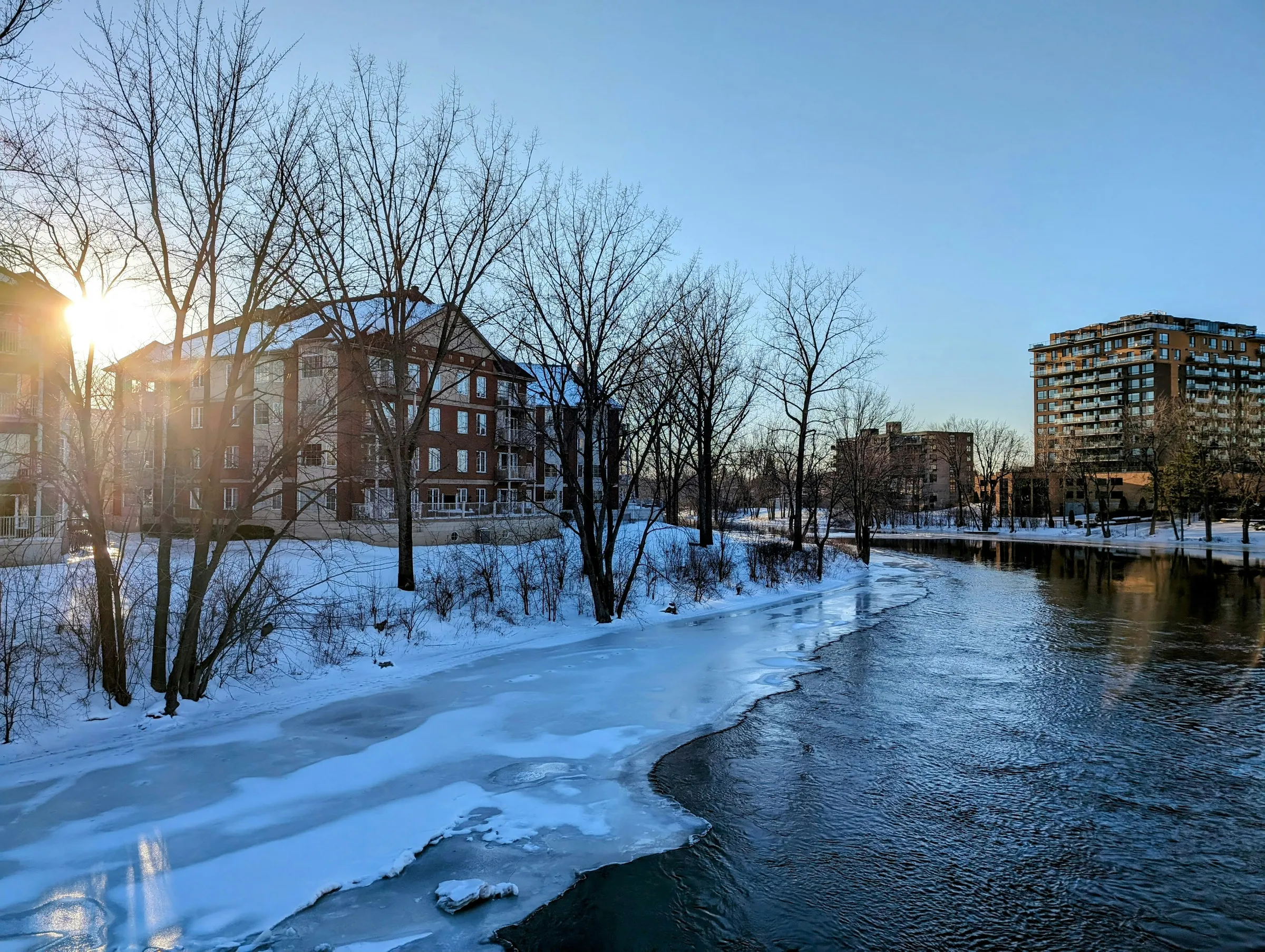
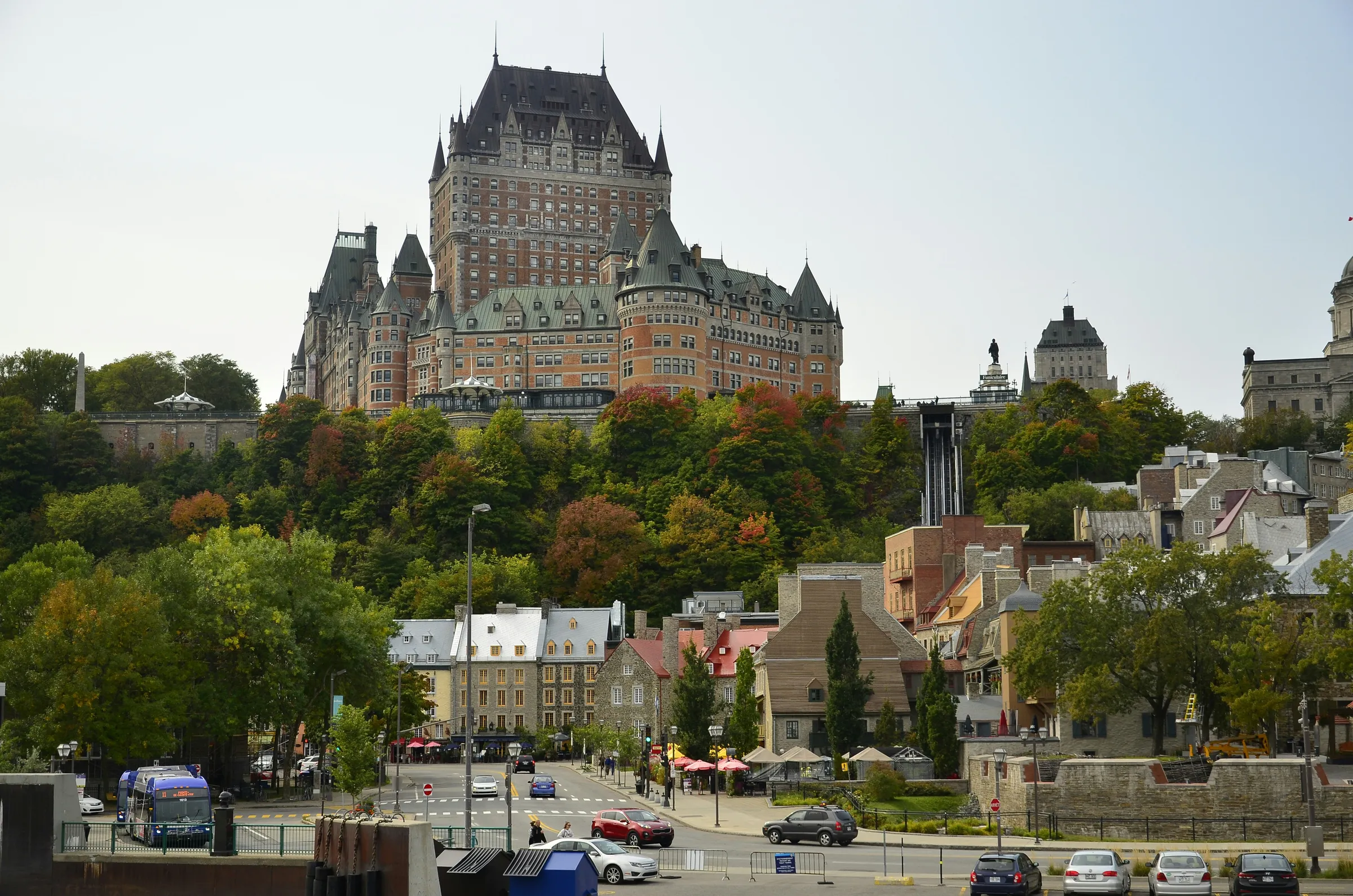
vs
Brossard×LavalGatineau×LavalBrossard×QuébecGatineau×QuébecLe Plateau-Mont-Royal×VerdunOutremont×Rosemont-La Petite-PatrieLachine×Saint-LaurentSherbrooke×Trois-RivièresGatineau×SaguenayLa Cité-Limoilou×Sainte-Foy–Sillery–Cap-RougeBeauport×CharlesbourgOutremont×Sainte-Foy–Sillery–Cap-RougeLe Plateau-Mont-Royal×La Cité-LimoilouBrossard×LavalGatineau×LavalBrossard×QuébecGatineau×QuébecLe Plateau-Mont-Royal×VerdunOutremont×Rosemont-La Petite-PatrieLachine×Saint-LaurentSherbrooke×Trois-RivièresGatineau×SaguenayLa Cité-Limoilou×Sainte-Foy–Sillery–Cap-RougeBeauport×CharlesbourgOutremont×Sainte-Foy–Sillery–Cap-RougeLe Plateau-Mont-Royal×La Cité-Limoilou
Comparison
The same numbers,
side by side.
Québec leads on 9 of the 9 dimensions compared. Reading across 15 comparable indicators between Laval and Québec. 438,370 residents on population in Laval, 549,460 residents in Québec; on area, Laval reaches 246.1 km² while Québec sits at 452.3 km²; Laval records 1,781 residents per km² on density, against 1,215 residents per km² in Québec. Québec has 84% more area than Laval, but Laval catches up in density with 47% more.
| Indicator | Laval | Québec |
|---|---|---|
| Population (residents) | 438 370 | 549 460 |
| Area (square kilometres) | 246,1 km² | 452,3 km² |
| Density (residents per km²) | 1 781 | 1 215 |
| Median age (years) | 42,8 | 43,2 |
| Median household income (CAD) | 40 400 | 44 400 |
| Households (households) | 169 785 | 265 710 |
| Bus stops (stops) | 2 785 | 4 066 |
| Schools (schools (MEQ)) | 100 | 133 |
| Primary schools (primary schools) | 73 | 84 |
| Secondary schools (secondary schools) | 16 | 22 |
| Public schools (public schools) | 90 | 114 |
| Private schools (private schools) | 10 | 19 |
| CEGEPs (CEGEPs and colleges) | 7 | 23 |
| Daycares (CPEs and daycares) | 216 | 273 |
| Daycare spots (licensed spots) | 13 890 | 16 987 |
In short
Québec stands out first with its higher education landscape, offering about 3.1 times more CEGEPs than Laval, with 22 institutions compared to only 7. This vastness is also reflected in its territory, as the capital covers an area of 452.3 km², which is 84% more than its North Shore neighbor. Laval balances this size with a 47% higher population density, reaching 1,781 inhabitants per km² compared to 1,215 in Québec.
Questions
Questions about Laval vs Québec
- Which city offers a denser, more urban environment?
- Laval has a density of 1,781 inhabitants per km², which is 47% higher than Québec at 1,215. Life is more concentrated there, while Québec spreads over a much larger territory.
- How does the school offering compare between Québec and Laval?
- Québec offers a larger network with 133 schools compared to 100 in Laval, including 90% more private schools (19 institutions in Québec compared to 10 in Laval). Families also have access to 84 primary schools and 22 secondary schools.
- Is it easy to find a daycare spot in these two cities?
- Québec has 273 daycares offering 16,987 spots, while Laval has 216 daycares with 13,890 spots. The numerical advantage goes to Québec with a difference of 3,097 spots.
- How well-served are the public transit networks?
- Québec has 4,066 bus stops, which is 46% more than Laval with 2,785. The capital's network covers a larger territory to meet the needs of commuters.
Other pairs
Explore other comparisons.
Compare 2 other neighbourhoods
Pick freely from all covered places.