Ville-Marie vs Sainte-Foy–Sillery–Cap-Rouge
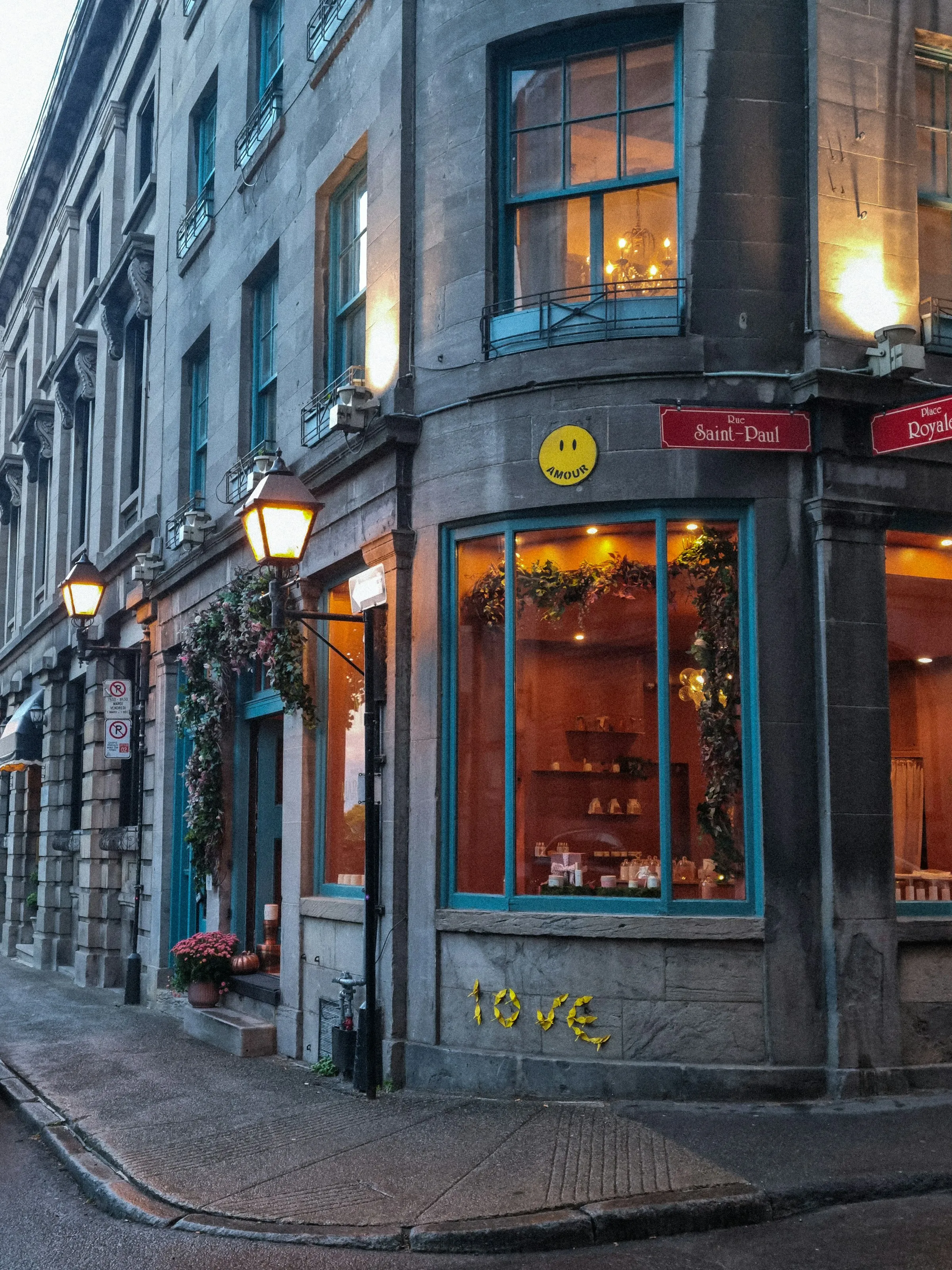
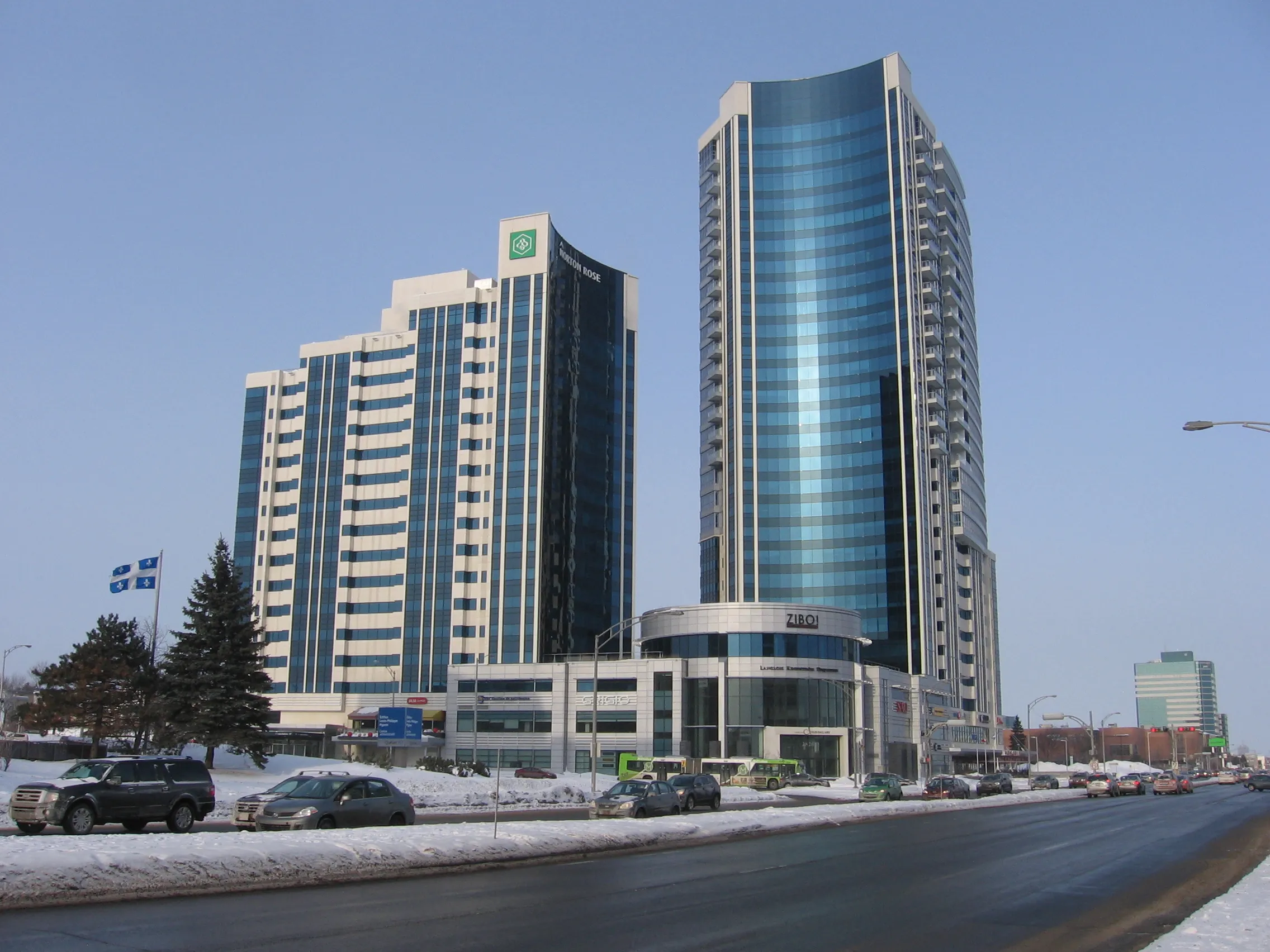
vs
Ville-Marie×BrossardVille-Marie×GatineauBrossard×Sainte-Foy–Sillery–Cap-RougeGatineau×Sainte-Foy–Sillery–Cap-RougeLe Plateau-Mont-Royal×VerdunOutremont×Rosemont-La Petite-PatrieLachine×Saint-LaurentSherbrooke×Trois-RivièresLaval×QuébecGatineau×SaguenayBeauport×CharlesbourgLe Plateau-Mont-Royal×La Cité-LimoilouVille-Marie×BrossardVille-Marie×GatineauBrossard×Sainte-Foy–Sillery–Cap-RougeGatineau×Sainte-Foy–Sillery–Cap-RougeLe Plateau-Mont-Royal×VerdunOutremont×Rosemont-La Petite-PatrieLachine×Saint-LaurentSherbrooke×Trois-RivièresLaval×QuébecGatineau×SaguenayBeauport×CharlesbourgLe Plateau-Mont-Royal×La Cité-Limoilou
Comparison
The same numbers,
side by side.
Sainte-Foy–Sillery–Cap-Rouge leads on 6 of the 8 dimensions compared. Between Ville-Marie and Sainte-Foy–Sillery–Cap-Rouge, 12 public indicators line up. on population, Ville-Marie reaches 84,013 residents while Sainte-Foy–Sillery–Cap-Rouge sits at 107,657 residents. Ville-Marie records 21.5 km² on area, against 96.7 km² in Sainte-Foy–Sillery–Cap-Rouge. Ville-Marie shows 3,917 residents per km² on density versus 1,113 residents per km² for Sainte-Foy–Sillery–Cap-Rouge. Sainte-Foy–Sillery–Cap-Rouge takes the edge on area (4.5× more), while Ville-Marie stands out on density (3.5× more).
| Indicator | Ville-Marie | Sainte-Foy–Sillery–Cap-Rouge |
|---|---|---|
| Population (residents) | 84 013 | 107 657 |
| Area (square kilometres) | 21,5 km² | 96,7 km² |
| Density (residents per km²) | 3 917 | 1 113 |
| Public trees (maintained public trees) | 20 294 | 34 636 |
| Bus stops (stops) | 423 | 877 |
| Schools (schools (MEQ)) | 21 | 27 |
| Primary schools (primary schools) | 5 | 15 |
| Secondary schools (secondary schools) | 1 | 3 |
| Public schools (public schools) | 8 | 20 |
| Private schools (private schools) | 13 | 7 |
| CEGEPs (CEGEPs and colleges) | 35 | 7 |
| Universities (universities) | 4 | 1 |
In short
Ville-Marie stands out for its exceptional college offering with about 4.7 times more (or 371% more) CEGEPs than Sainte-Foy-Sillery-Cap-Rouge, counting 33 institutions compared to 7. Conversely, the Quebec City borough spans a vast territory of 96.7 km² compared to 21.5 km² for its Montreal counterpart, representing about 4.5 times more (or 351% more) area. This spatial difference explains why Ville-Marie displays a population density about 3.5 times higher (or 252% more) with 3,917 inhabitants per km² compared to 1,113 in Sainte-Foy-Sillery-Cap-Rouge.
Questions
Questions about Ville-Marie vs Sainte-Foy–Sillery–Cap-Rouge
- Which sector offers a more spacious and green living environment?
- Sainte-Foy-Sillery-Cap-Rouge proposes a very vast environment with a density of 1,113 inhabitants per km² compared to 3,917 in Ville-Marie. The Quebec City borough also counts 34,636 public trees to green its neighborhoods compared to 20,294 for the Montreal downtown.
- Which is the better choice for schooling young children?
- Sainte-Foy-Sillery-Cap-Rouge is highly suitable for families with about 3 times more (or 200% more) primary schools, meaning 15 institutions compared to 5 in Ville-Marie. For high school, the gap remains with 3 schools compared to only one in Ville-Marie.
- How do the two sectors compare for higher education?
- Ville-Marie largely dominates with 4 universities compared to only one in Sainte-Foy-Sillery-Cap-Rouge, representing about 4 times more (or 300% more). Downtown Montreal also counts 33 CEGEPs compared to 7 in the Quebec City sector.
- How is the public transit network structured in these areas?
- Sainte-Foy-Sillery-Cap-Rouge has 877 bus stops to cover its large territory, while Ville-Marie has 423 concentrated within its smaller area. The absolute difference is 454 stops in favor of the Quebec City borough.
Other pairs
Explore other comparisons.
Compare 2 other neighbourhoods
Pick freely from all covered places.