Montréal-Nord vs Sainte-Foy–Sillery–Cap-Rouge
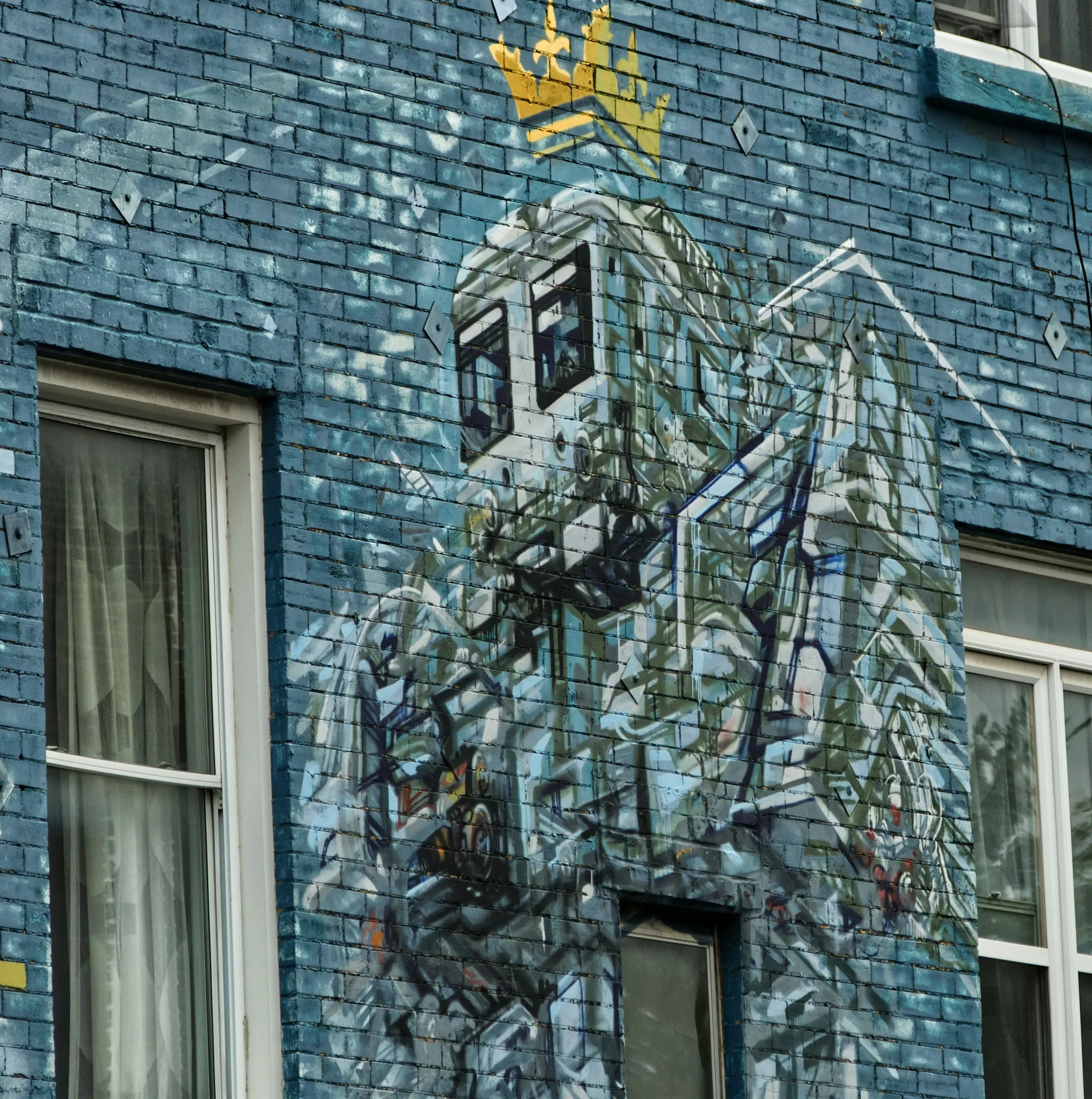
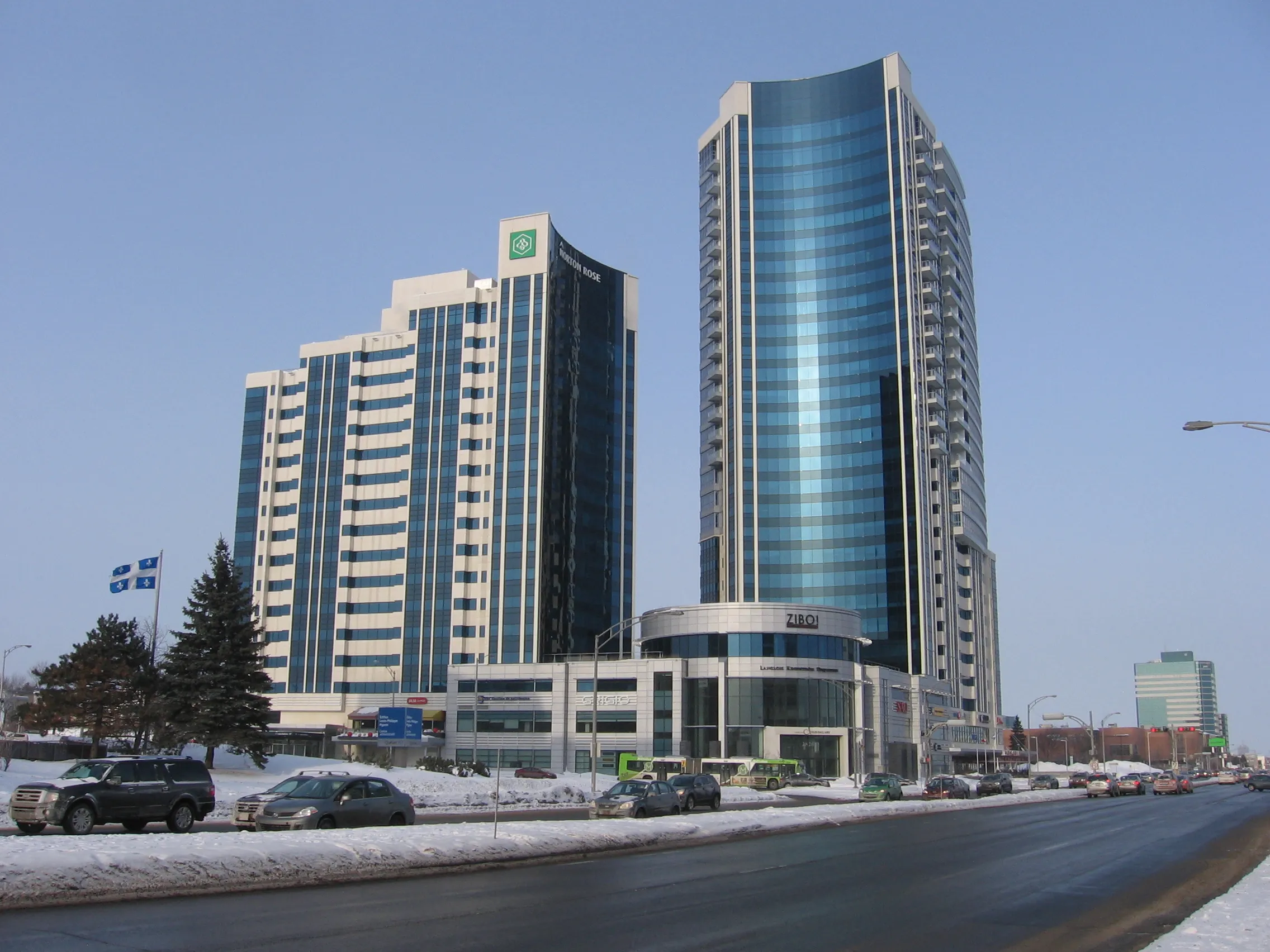
vs
Montréal-Nord×BrossardMontréal-Nord×GatineauBrossard×Sainte-Foy–Sillery–Cap-RougeGatineau×Sainte-Foy–Sillery–Cap-RougeLe Plateau-Mont-Royal×VerdunOutremont×Rosemont-La Petite-PatrieLachine×Saint-LaurentSherbrooke×Trois-RivièresLaval×QuébecGatineau×SaguenayBeauport×CharlesbourgLe Plateau-Mont-Royal×La Cité-LimoilouMontréal-Nord×BrossardMontréal-Nord×GatineauBrossard×Sainte-Foy–Sillery–Cap-RougeGatineau×Sainte-Foy–Sillery–Cap-RougeLe Plateau-Mont-Royal×VerdunOutremont×Rosemont-La Petite-PatrieLachine×Saint-LaurentSherbrooke×Trois-RivièresLaval×QuébecGatineau×SaguenayBeauport×CharlesbourgLe Plateau-Mont-Royal×La Cité-Limoilou
Comparison
The same numbers,
side by side.
Sainte-Foy–Sillery–Cap-Rouge leads on 5 of the 6 dimensions compared. Comparing Montréal-Nord and Sainte-Foy–Sillery–Cap-Rouge means reading 10 public indicators side by side. Montréal-Nord records 83,868 residents on population, against 107,657 residents in Sainte-Foy–Sillery–Cap-Rouge; on area, Montréal-Nord reaches 12.4 km² while Sainte-Foy–Sillery–Cap-Rouge sits at 96.7 km²; 6,742 residents per km² on density in Montréal-Nord, 1,113 residents per km² in Sainte-Foy–Sillery–Cap-Rouge. area: Sainte-Foy–Sillery–Cap-Rouge ahead by 7.8× more. density: Montréal-Nord ahead by 6.1× more.
| Indicator | Montréal-Nord | Sainte-Foy–Sillery–Cap-Rouge |
|---|---|---|
| Population (residents) | 83 868 | 107 657 |
| Area (square kilometres) | 12,4 km² | 96,7 km² |
| Density (residents per km²) | 6 742 | 1 113 |
| Public trees (maintained public trees) | 2 | 34 636 |
| Bus stops (stops) | 316 | 877 |
| Schools (schools (MEQ)) | 21 | 27 |
| Primary schools (primary schools) | 13 | 15 |
| Secondary schools (secondary schools) | 6 | 3 |
| Public schools (public schools) | 19 | 20 |
| Private schools (private schools) | 2 | 7 |
In short
The most striking contrast lies in the urban canopy, with Sainte-Foy-Sillery-Cap-Rouge having about 17,318 times more public trees than Montréal-Nord, boasting 34,636 trees compared to just 2. This spatial difference is also clear in terms of land area, as the Québec City borough spans 96.7 km² (about 7.8 times more than the 12.4 km² of Montréal-Nord). Conversely, Montréal-Nord offers a highly compact lifestyle, with a density of 6,742 residents per km² which is about 6.1 times higher than its counterpart.
Questions
Questions about Montréal-Nord vs Sainte-Foy–Sillery–Cap-Rouge
- Which area offers better public transit access?
- Sainte-Foy-Sillery-Cap-Rouge has 877 bus stops, which is about 2.8 times more than Montréal-Nord with 316. However, Montréal-Nord concentrates its 316 stops within a much smaller area of 12.4 km², making them highly accessible on foot.
- How does the educational offer compare between these two areas?
- Sainte-Foy-Sillery-Cap-Rouge has 27 schools in total compared to 21 in Montréal-Nord, with a clear advantage in private schools where it offers about 3.5 times more (7 institutions compared to 2). Montréal-Nord stands out at the secondary level, offering about 2 times more secondary schools with a total of 6 establishments compared to 3.
- What is the density and lifestyle profile of each area?
- Montréal-Nord has a density of 6,742 residents per km², which is about 6.1 times higher than Sainte-Foy-Sillery-Cap-Rouge at 1,113 residents per km². The Québec City borough offers a spacious and airy environment, while the Montreal borough provides a close-knit urban atmosphere.
- What is the difference in population and size between the two?
- Sainte-Foy-Sillery-Cap-Rouge is more populated with 107,657 residents, representing an absolute difference of 23,789 compared to the 83,868 in Montréal-Nord. It also spans 96.7 km², which is about 7.8 times more area than the 12.4 km² of Montréal-Nord.
Other pairs
Explore other comparisons.
Compare 2 other neighbourhoods
Pick freely from all covered places.