Mercier-Hochelaga-Maisonneuve vs La Cité-Limoilou
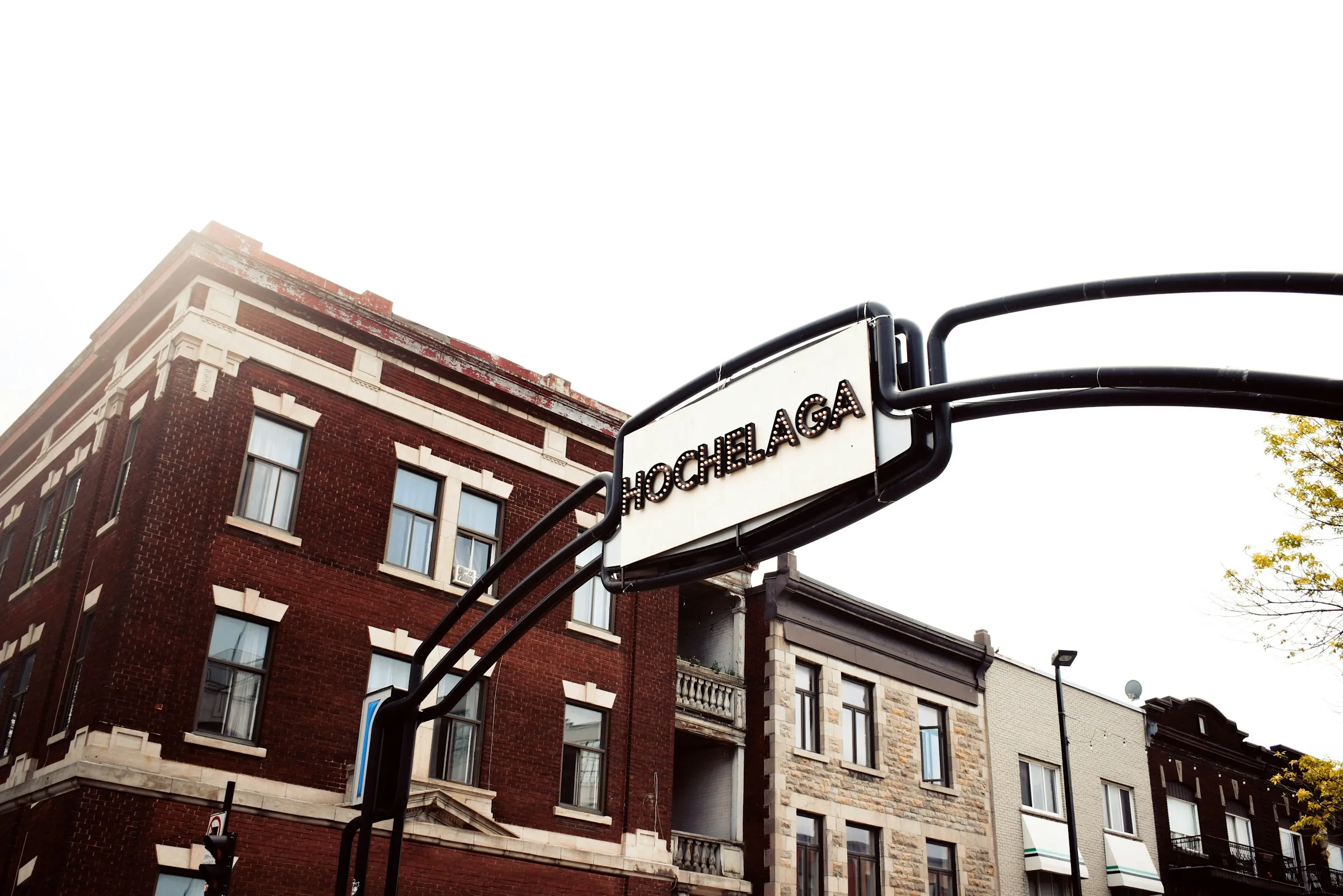
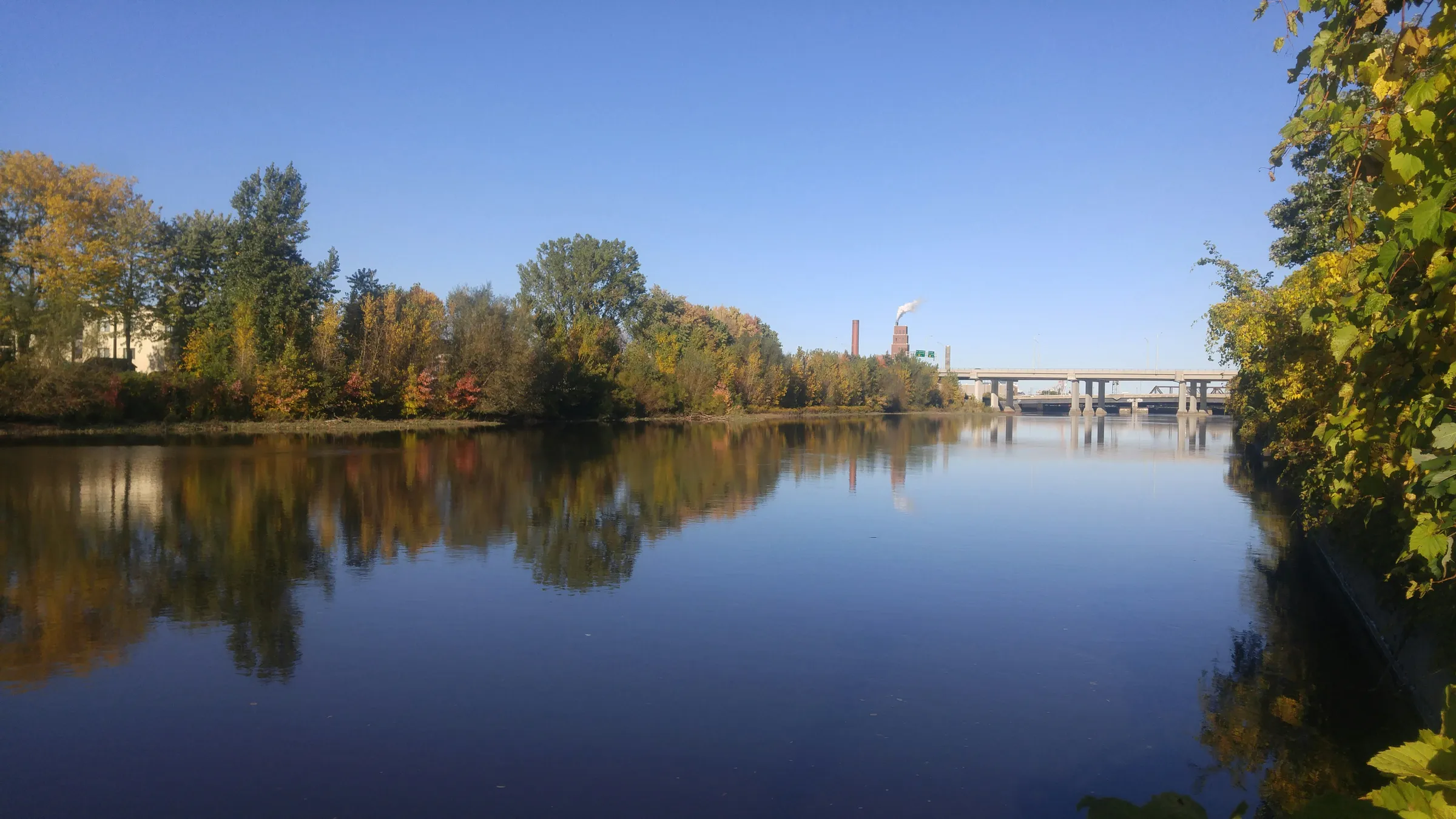
vs
Mercier-Hochelaga-Maisonneuve×BrossardMercier-Hochelaga-Maisonneuve×GatineauBrossard×La Cité-LimoilouGatineau×La Cité-LimoilouLe Plateau-Mont-Royal×VerdunOutremont×Rosemont-La Petite-PatrieLachine×Saint-LaurentSherbrooke×Trois-RivièresLaval×QuébecGatineau×SaguenayBeauport×CharlesbourgOutremont×Sainte-Foy–Sillery–Cap-RougeMercier-Hochelaga-Maisonneuve×BrossardMercier-Hochelaga-Maisonneuve×GatineauBrossard×La Cité-LimoilouGatineau×La Cité-LimoilouLe Plateau-Mont-Royal×VerdunOutremont×Rosemont-La Petite-PatrieLachine×Saint-LaurentSherbrooke×Trois-RivièresLaval×QuébecGatineau×SaguenayBeauport×CharlesbourgOutremont×Sainte-Foy–Sillery–Cap-Rouge
Comparison
The same numbers,
side by side.
Mercier-Hochelaga-Maisonneuve leads on 5 of the 7 dimensions compared. Across 11 public indicators, here's how Mercier-Hochelaga-Maisonneuve and La Cité-Limoilou stack up. Mercier-Hochelaga-Maisonneuve pulls ahead with 131,483 residents on population (88,783 residents for La Cité-Limoilou). Mercier-Hochelaga-Maisonneuve holds 27.4 km² on area, 23.5 km² for La Cité-Limoilou. Mercier-Hochelaga-Maisonneuve shows 4,807 residents per km² on density versus 3,783 residents per km² for La Cité-Limoilou. Mercier-Hochelaga-Maisonneuve takes the edge on population (48% more).
| Indicator | Mercier-Hochelaga-Maisonneuve | La Cité-Limoilou |
|---|---|---|
| Population (residents) | 131 483 | 88 783 |
| Area (square kilometres) | 27,4 km² | 23,5 km² |
| Density (residents per km²) | 4 807 | 3 783 |
| Public trees (maintained public trees) | 37 838 | 39 001 |
| Bus stops (stops) | 529 | 524 |
| Schools (schools (MEQ)) | 32 | 29 |
| Primary schools (primary schools) | 21 | 16 |
| Secondary schools (secondary schools) | 8 | 6 |
| Public schools (public schools) | 30 | 23 |
| Private schools (private schools) | 2 | 6 |
| CEGEPs (CEGEPs and colleges) | 8 | 12 |
In short
La Cité-Limoilou stands out for its private education offerings, with about 3 times more (or 200% more) private schools than Mercier-Hochelaga-Maisonneuve, which in turn has a population of 131,483, representing 48% more residents than its Quebec City counterpart. This demographic gap is paired with a larger territory of 27.4 km² in Montreal compared to 23.5 km² for the historic Capital-Nationale borough. Both areas share a strong urban vitality with highly comparable transit networks featuring 529 and 524 bus stops respectively.
Questions
Questions about Mercier-Hochelaga-Maisonneuve vs La Cité-Limoilou
- Which sector offers the most dense and lively atmosphere?
- Mercier-Hochelaga-Maisonneuve has a higher density with 4,807 residents per km², compared to 3,783 residents per km² for La Cité-Limoilou. The absolute difference is 1,024 residents per km², giving the Quebec City borough a slightly more residential and airy feel.
- How does the public school offering compare for families?
- Mercier-Hochelaga-Maisonneuve has 30 public schools, which is 30% more than La Cité-Limoilou with 23. For primary education, the Montreal borough also leads with 21 institutions compared to 16 in Quebec City, representing a difference of 5 primary schools.
- Which borough is better equipped for college education?
- La Cité-Limoilou takes the lead with 11 CEGEPs, which is 38% more than Mercier-Hochelaga-Maisonneuve with 8. The absolute difference stands at 3 institutions in favor of the Quebec City sector.
- Which sector is the greenest in terms of public trees?
- La Cité-Limoilou wins slightly with 39,001 public trees compared to 37,838 for Mercier-Hochelaga-Maisonneuve. This absolute difference of 1,163 trees contributes significantly to the charm of Quebec City's urban canopy.
- Is it easy to get around by public transit in these two areas?
- Both boroughs offer very similar access with 529 bus stops in Mercier-Hochelaga-Maisonneuve and 524 in La Cité-Limoilou. The difference is minimal with only 5 stops separating them to facilitate your daily commute.
Other pairs
Explore other comparisons.
Compare 2 other neighbourhoods
Pick freely from all covered places.