Mercier-Hochelaga-Maisonneuve vs Brossard
Comparison
The same numbers,
side by side.
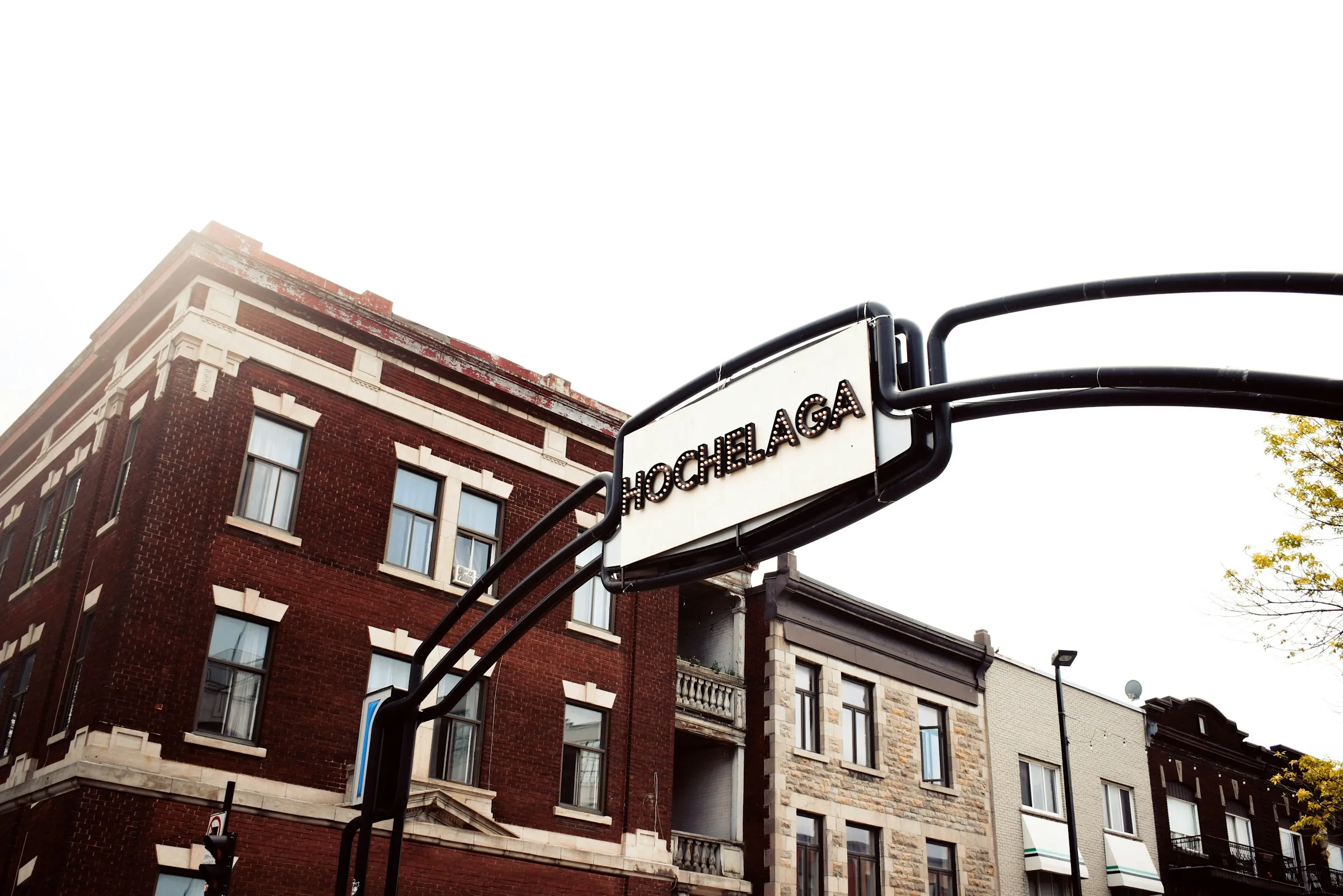
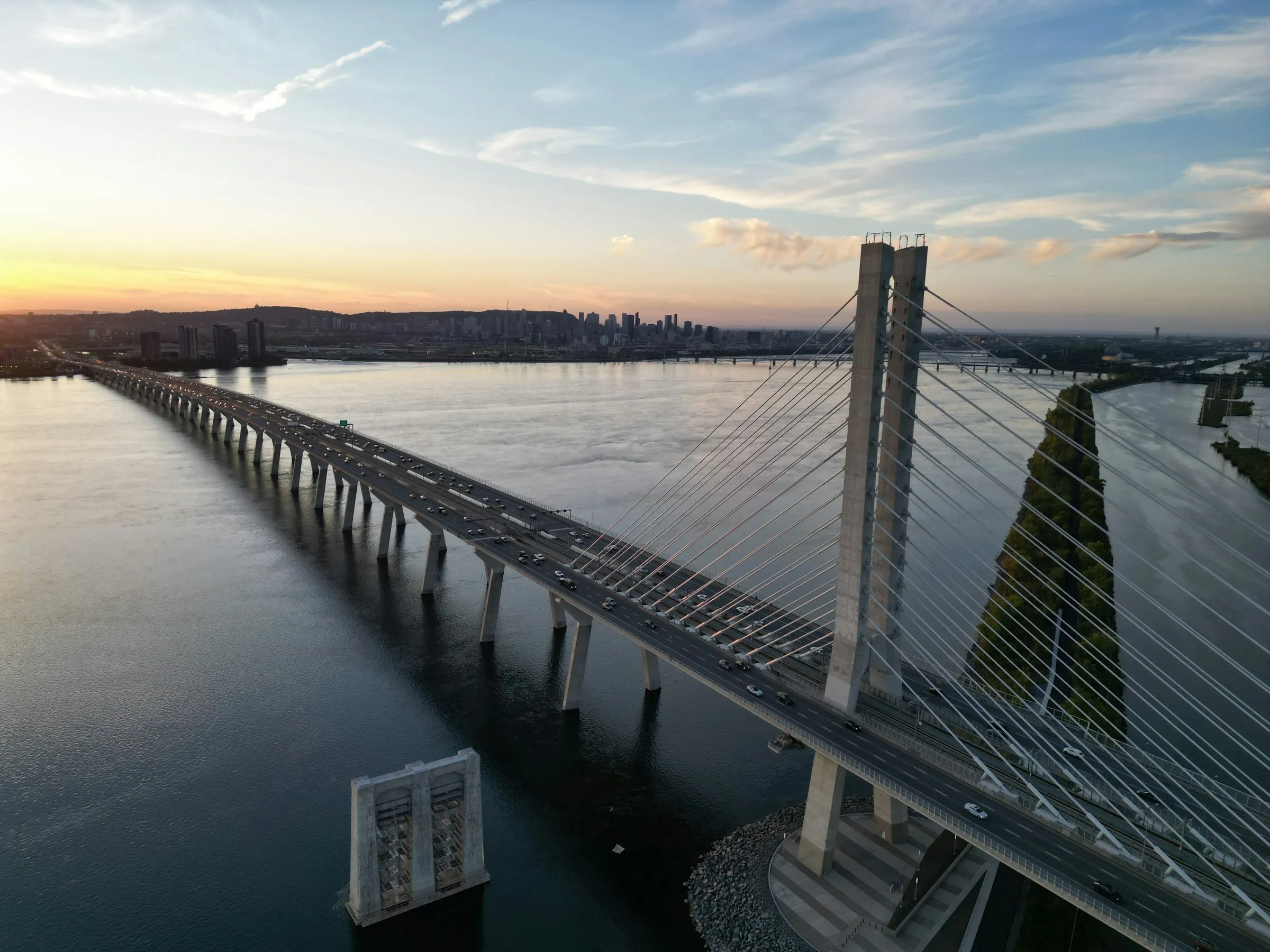
Mercier-Hochelaga-Maisonneuve leads on 5 of the 6 dimensions compared. 11 public indicators set Mercier-Hochelaga-Maisonneuve apart from Brossard. on population, Mercier-Hochelaga-Maisonneuve reaches 131,483 residents while Brossard sits at 91,525 residents. 27.4 km² on area in Mercier-Hochelaga-Maisonneuve, 45.2 km² in Brossard. Mercier-Hochelaga-Maisonneuve pulls ahead with 4,807 residents per km² on density (2,025 residents per km² for Brossard). Sharpest gap: Mercier-Hochelaga-Maisonneuve leads by 2.4× more on density, while Brossard regains ground by 65% more on area.
| Indicator | Mercier-Hochelaga-Maisonneuve | Brossard |
|---|---|---|
| Population (residents) | 131 483 | 91 525 |
| Area (square kilometres) | 27,4 km² | 45,2 km² |
| Density (residents per km²) | 4 807 | 2 025 |
| Households (households) | 69 570 | 35 885 |
| Bus stops (stops) | 529 | 678 |
| Schools (schools (MEQ)) | 32 | 16 |
| Primary schools (primary schools) | 21 | 11 |
| Secondary schools (secondary schools) | 8 | 2 |
| Public schools (public schools) | 30 | 13 |
| Private schools (private schools) | 2 | 3 |
| CEGEPs (CEGEPs and colleges) | 8 | 6 |
In short
For which lifestyle?
Four ways to live here.
Brossard leads on 1 of 1 lifestyles.
Out of 100. The higher the number, the better the area fits that lifestyle. Computed from public indicators (schools, safety, transit, environment, etc.) across all boroughs and cities covered by Explore Ma Ville.
Questions
Questions about Mercier-Hochelaga-Maisonneuve vs Brossard
- What is the difference in population density between these two areas?
- Mercier-Hochelaga-Maisonneuve has a density of 4,807 residents per km², which is about 2.4 times more (137% more) than Brossard at 2,025 residents per km² (an absolute difference of 2,782). The Montreal borough offers a much more compact, urban lifestyle.
- How does the overall school offering compare between these two areas?
- Mercier-Hochelaga-Maisonneuve has about 2 times more (or 100% more) schools than Brossard, with a total of 32 institutions compared to 16 (an absolute difference of 16). The Montreal borough also leads for primary schools with 21 institutions, which is 91% more than Brossard with 11 (an absolute difference of 10).
- How does the bus transit network compare?
- Brossard holds an advantage with 678 bus stops across its territory, which is 149 more stops than Mercier-Hochelaga-Maisonneuve and its 529 stops (an absolute difference of 149). This extensive network provides excellent coverage across the South Shore.
- Which area is recommended for a student profile?
- Brossard holds the advantage for the student profile due to its accessibility and local dynamics, even though Mercier-Hochelaga-Maisonneuve features 8 CEGEPs compared to 6 for Brossard (an absolute difference of 2 institutions).
- How are public and private schools distributed?
- Mercier-Hochelaga-Maisonneuve has about 2.3 times more (or 131% more) public schools than Brossard, with 30 institutions compared to 13 (an absolute difference of 17). On the other hand, Brossard holds a slight advantage for private schools with 3 institutions compared to 2 (an absolute difference of 1).
Other pairs
Explore other comparisons.
Pick freely from all covered places.