Ranking · 2026
The most populous neighbourhoods and cities in Quebec
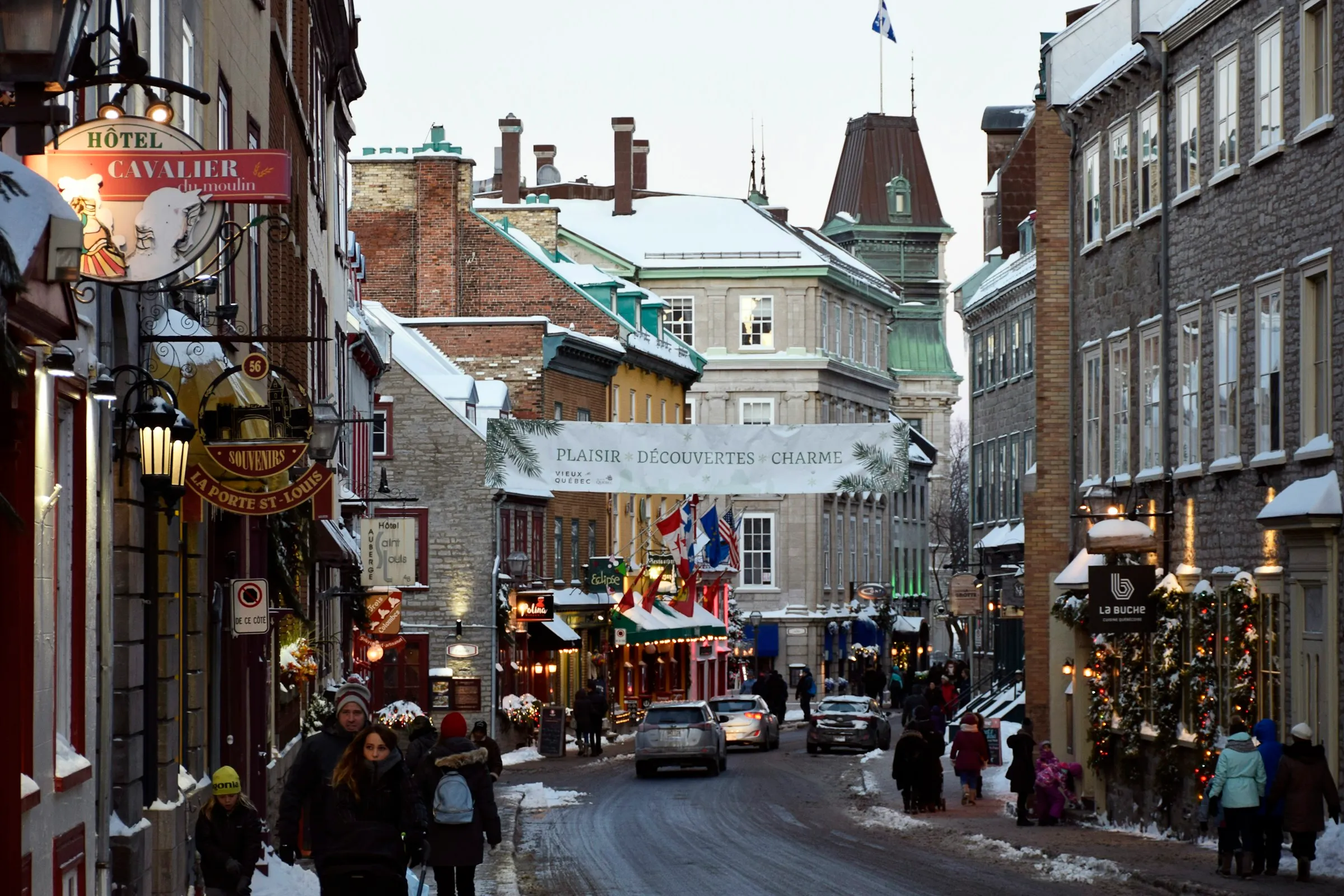
According to our ranking, Quebec City comes first among the 35 Quebec neighbourhoods and cities with 549,460 residents (Statistics Canada, 2021 Census), ahead of Laval and Gatineau.
Median: Brossard (91,525) · Last: L'Île-Bizard-Sainte-Geneviève (18,097)
Full ranking
This ranking keeps the 35 Quebec neighbourhoods and cities whose measure is published on Explore Ma Ville (source: Statistics Canada, 2021 Census). Each row opens the territory's detailed page.
Frequently asked questions
- What is the most populous city in Quebec?
- Taken as a whole, Montreal remains the most populous city in Quebec with 1,762,950 residents (Statistics Canada, 2021); its territory is broken down here by borough. Quebec City holds the first spot in this ranking of 35 Quebec neighbourhoods and cities, with 549,460 residents (Statistics Canada, 2021 Census).
- Which Quebec neighbourhoods and cities hold the first 5 spots?
- In order: Quebec City (549,460 residents), Laval (438,370 residents), Gatineau (291,040 residents), Longueuil (254,480 residents) and Sherbrooke (172,950 residents). The full ranking covers 35 territories (Statistics Canada, 2021 Census).
- What is the median value in this ranking?
- Brossard holds the median position with 91,525 residents. At the top, Quebec City reaches 549,460 residents (Statistics Canada, 2021 Census).
- Where does this data come from?
- Source: Statistics Canada, 2021 Census. Each row in the ranking links to the territory's page, which documents the period and origin of every measure.
- How far apart are the top and bottom of this ranking?
- The range goes from 549,460 residents (Quebec City, 1st) to 18,097 residents (L'Île-Bizard-Sainte-Geneviève, last) among the 35 Quebec neighbourhoods and cities in this ranking (Statistics Canada, 2021 Census).
- Which territories are included in this ranking?
- 35 Quebec neighbourhoods and cities are ranked here, based on Statistics Canada, 2021 Census. Explore Ma Ville covers major urban areas in Quebec; coverage expands as new sources are integrated.
- Is this ranking up to date?
- The data comes from Statistics Canada, 2021 Census (2026 edition). Explore Ma Ville integrates each new official publication as soon as it becomes available.
Other Quebec rankings
- Population density
- Area
- Number of schools
- Tree canopy
- Median household income
- Median age
- Share of renters
- Number of daycares
- Number of housing units
- Families with children
- Share of homeowners
- Children aged 0-11
- Poverty rate (MBM)
- Number of households
- Median shelter costs
- Housing cost burden (30%+)
- Single-family homes
- Major repairs needed
- Elementary schools
- High schools
- Daycare spots
- Public trees
Compare two territories side by side
The same figures, aligned, for two Quebec neighbourhoods or cities.
Explore every territory