Mercier-Hochelaga-Maisonneuve vs Saguenay
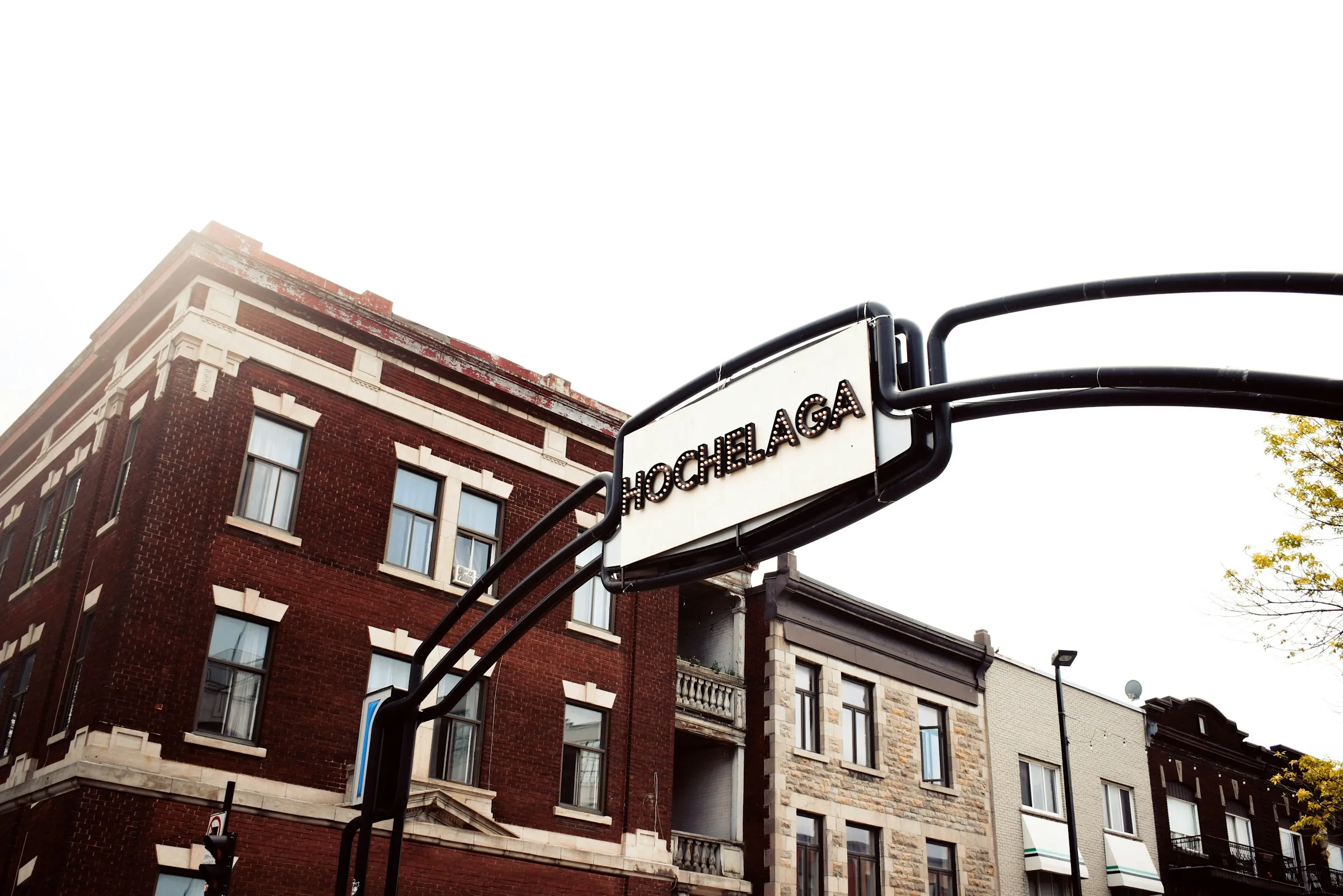
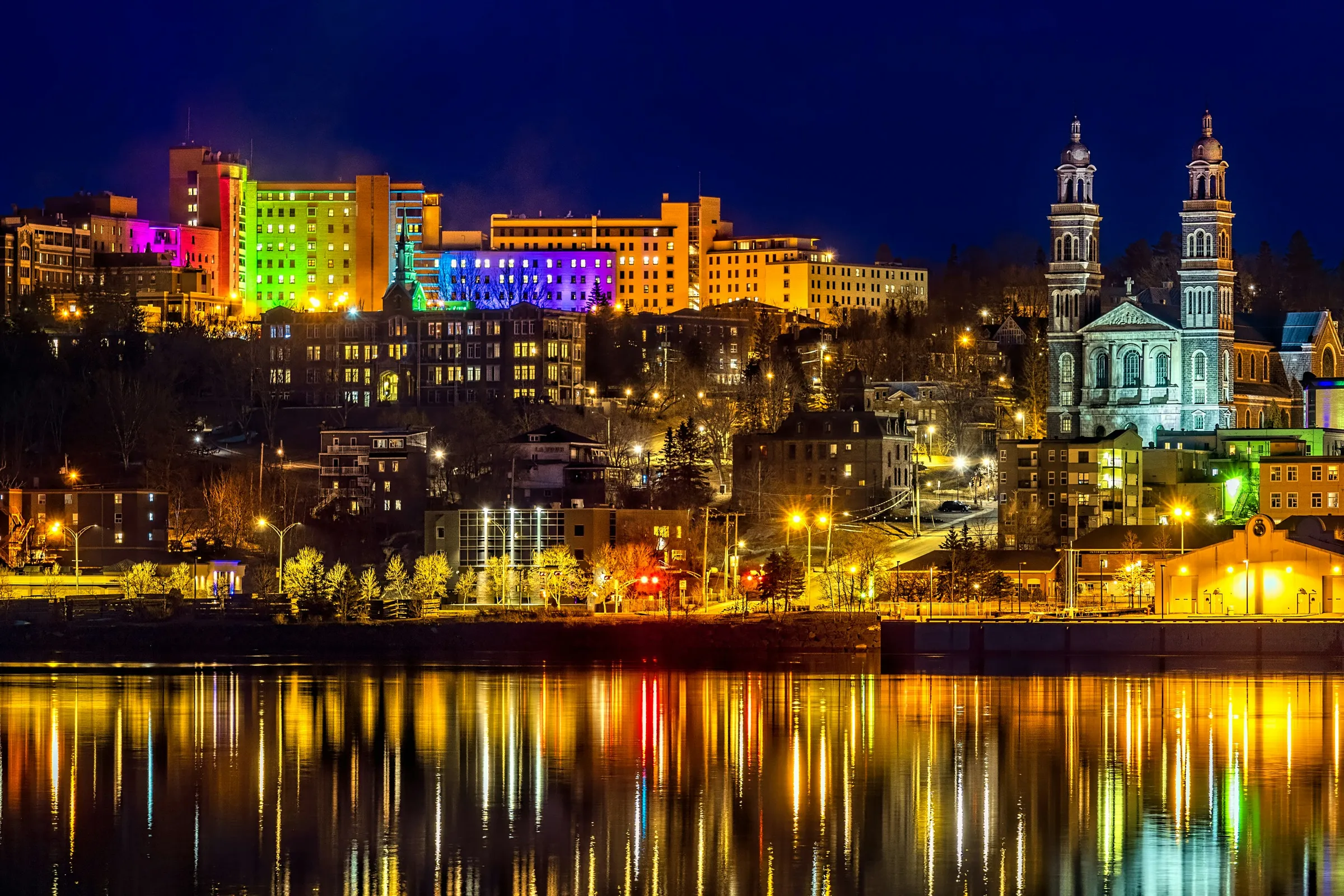
vs
Mercier-Hochelaga-Maisonneuve×BrossardMercier-Hochelaga-Maisonneuve×GatineauBrossard×SaguenayGatineau×SaguenayLe Plateau-Mont-Royal×VerdunOutremont×Rosemont-La Petite-PatrieLachine×Saint-LaurentSherbrooke×Trois-RivièresLaval×QuébecLa Cité-Limoilou×Sainte-Foy–Sillery–Cap-RougeBeauport×CharlesbourgOutremont×Sainte-Foy–Sillery–Cap-RougeLe Plateau-Mont-Royal×La Cité-LimoilouMercier-Hochelaga-Maisonneuve×BrossardMercier-Hochelaga-Maisonneuve×GatineauBrossard×SaguenayGatineau×SaguenayLe Plateau-Mont-Royal×VerdunOutremont×Rosemont-La Petite-PatrieLachine×Saint-LaurentSherbrooke×Trois-RivièresLaval×QuébecLa Cité-Limoilou×Sainte-Foy–Sillery–Cap-RougeBeauport×CharlesbourgOutremont×Sainte-Foy–Sillery–Cap-RougeLe Plateau-Mont-Royal×La Cité-Limoilou
Comparison
The same numbers,
side by side.
Saguenay leads on 3 of the 4 dimensions compared. Reading across 10 comparable indicators between Mercier-Hochelaga-Maisonneuve and Saguenay. Mercier-Hochelaga-Maisonneuve records 131,483 residents on population, against 144,725 residents in Saguenay; Mercier-Hochelaga-Maisonneuve shows 27.4 km² on area versus 1,124.6 km² for Saguenay; Mercier-Hochelaga-Maisonneuve holds 4,807 residents per km² on density, 129 residents per km² for Saguenay. On area, Saguenay counts 41.1× more than Mercier-Hochelaga-Maisonneuve; on density, Mercier-Hochelaga-Maisonneuve leads by 37.4× more.
| Indicator | Mercier-Hochelaga-Maisonneuve | Saguenay |
|---|---|---|
| Population (residents) | 131 483 | 144 725 |
| Area (square kilometres) | 27,4 km² | 1 124,6 km² |
| Density (residents per km²) | 4 807 | 129 |
| Households (households) | 69 570 | 67 525 |
| Schools (schools (MEQ)) | 32 | 43 |
| Primary schools (primary schools) | 21 | 33 |
| Secondary schools (secondary schools) | 8 | 6 |
| Public schools (public schools) | 30 | 40 |
| Private schools (private schools) | 2 | 3 |
| CEGEPs (CEGEPs and colleges) | 8 | 8 |
In short
The contrast in space is striking between these two territories, as Saguenay covers an area of 1,124.6 km², which is approximately 41.1 times larger (or 4012% more) than the 27.4 km² of Mercier-Hochelaga-Maisonneuve. This difference results in a urban density of 4,807 people per km² for the Montreal borough, which is about 37.4 times higher (3636% more) than Saguenay's density of 129. While Saguenay has a slightly larger population of 144,725 compared to 131,483 in Mercier-Hochelaga-Maisonneuve, the Montreal borough has more households with 69,570 compared to 67,525.
Questions
Questions about Mercier-Hochelaga-Maisonneuve vs Saguenay
- Where can we find the most school options for children?
- Saguenay offers a larger overall school network with 42 schools compared to 32 in Mercier-Hochelaga-Maisonneuve, which is 31% more institutions. Saguenay leads in primary education with 32 schools (52% more), while Mercier-Hochelaga-Maisonneuve offers more secondary schools with 8 institutions (33% more).
- What is the main difference regarding lifestyle and space?
- The Montreal borough offers a dense and active neighborhood life across just 27.4 km², whereas Saguenay spans 1,124.6 km² to provide a lifestyle centered around vast open spaces. The density is radically different, going from 4,807 people per km² in Montreal to only 129 in Saguenay.
- How does college (CEGEP) education compare in both areas?
- Both territories are perfectly tied with a network of 8 CEGEPs each. This ensures excellent local higher education opportunities, whether in a major metropolitan hub or a regional setting.
- How do households compare relative to the total population?
- Mercier-Hochelaga-Maisonneuve has 69,570 households for 131,483 residents, showing a high proportion of smaller households. In Saguenay, there are 67,525 households for a larger population of 144,725 residents, indicating generally larger family units.
Other pairs
Explore other comparisons.
Compare 2 other neighbourhoods
Pick freely from all covered places.