Lévis vs Longueuil
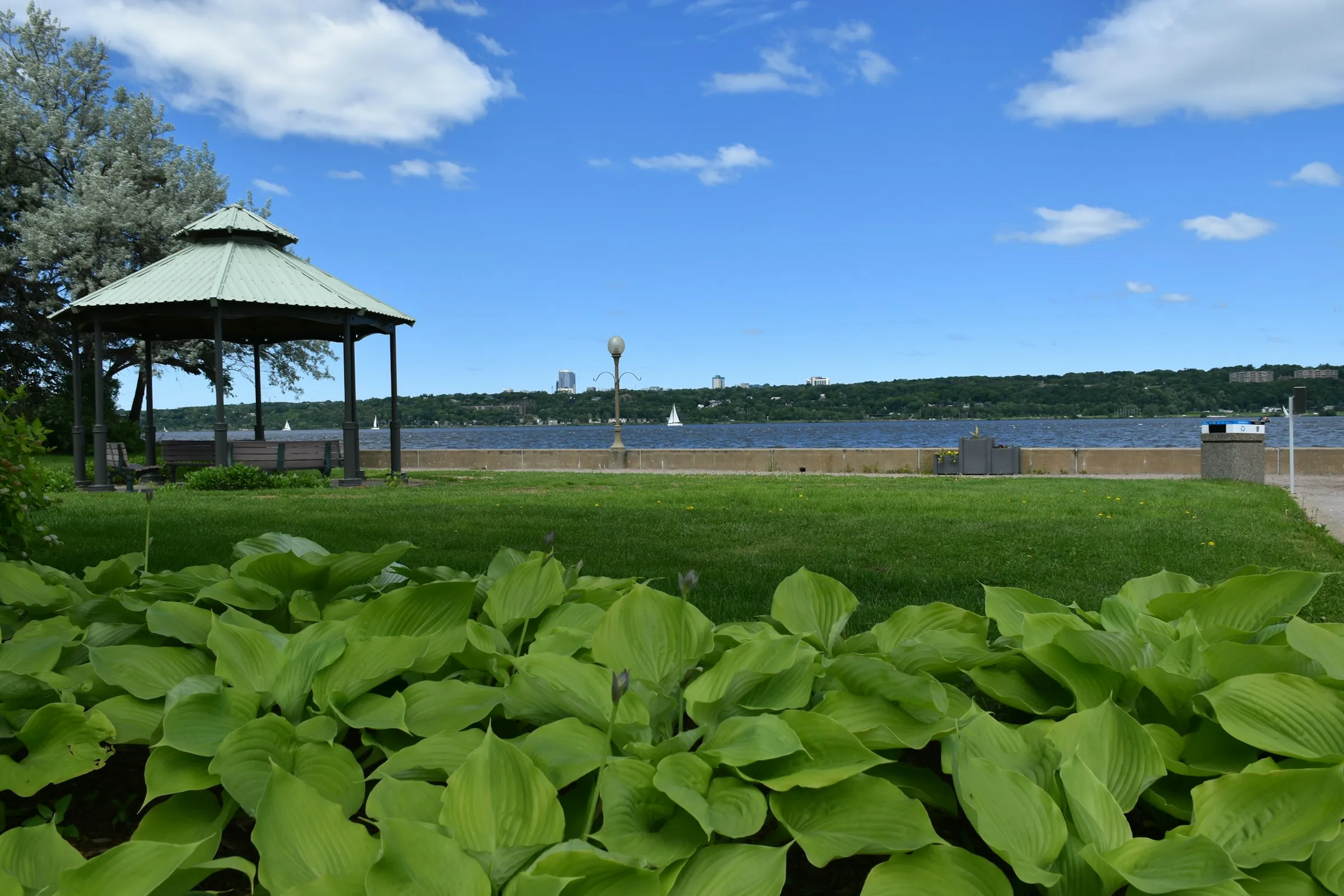
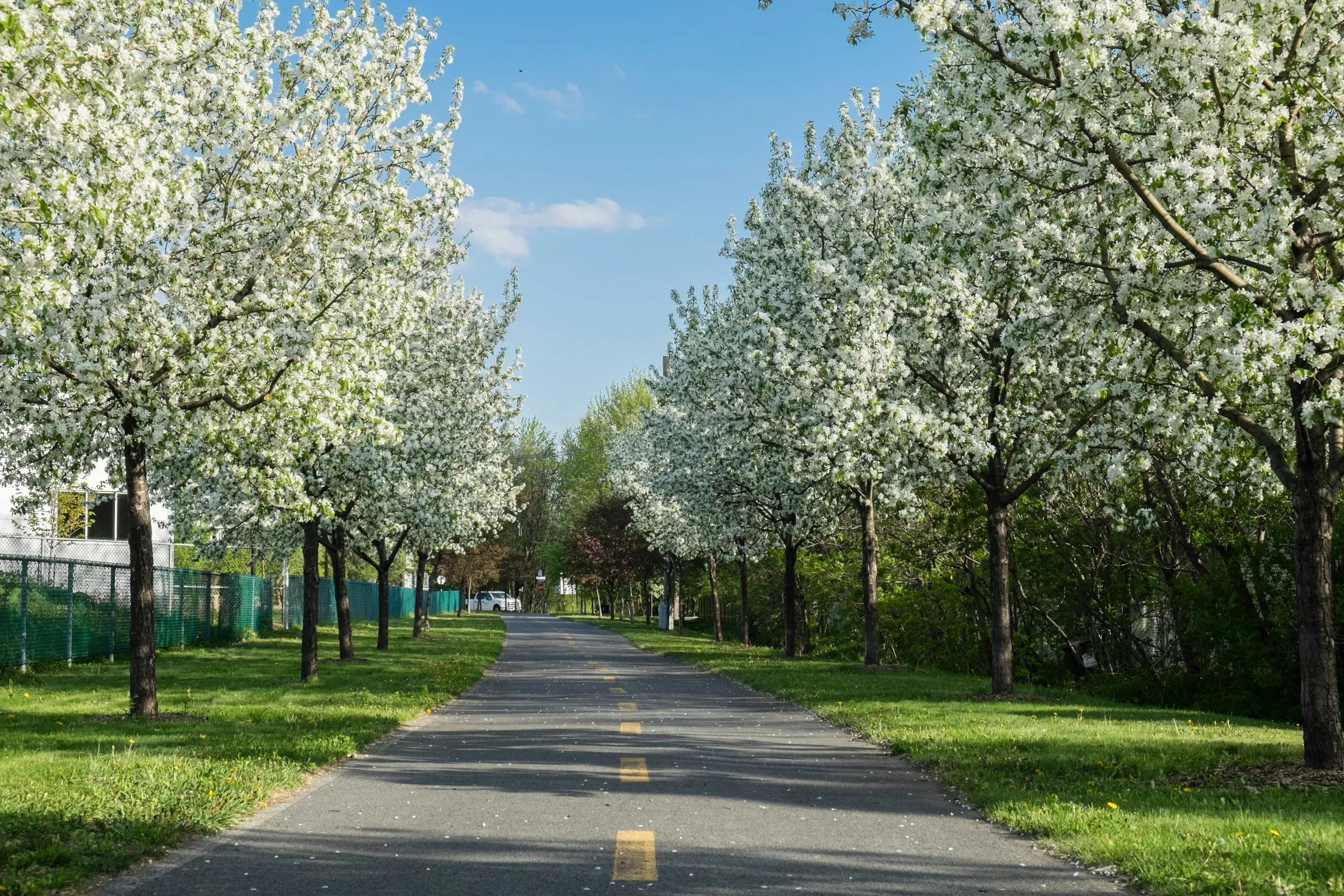
vs
Brossard×LévisGatineau×LévisBrossard×LongueuilGatineau×LongueuilLe Plateau-Mont-Royal×VerdunOutremont×Rosemont-La Petite-PatrieLachine×Saint-LaurentSherbrooke×Trois-RivièresLaval×QuébecGatineau×SaguenayLa Cité-Limoilou×Sainte-Foy–Sillery–Cap-RougeBeauport×CharlesbourgOutremont×Sainte-Foy–Sillery–Cap-RougeLe Plateau-Mont-Royal×La Cité-LimoilouBrossard×LévisGatineau×LévisBrossard×LongueuilGatineau×LongueuilLe Plateau-Mont-Royal×VerdunOutremont×Rosemont-La Petite-PatrieLachine×Saint-LaurentSherbrooke×Trois-RivièresLaval×QuébecGatineau×SaguenayLa Cité-Limoilou×Sainte-Foy–Sillery–Cap-RougeBeauport×CharlesbourgOutremont×Sainte-Foy–Sillery–Cap-RougeLe Plateau-Mont-Royal×La Cité-Limoilou
Comparison
The same numbers,
side by side.
Longueuil leads on 7 of the 8 dimensions compared. Reading across 14 comparable indicators between Lévis and Longueuil. Lévis holds 149,680 residents on population, 254,480 residents for Longueuil; Lévis shows 448.1 km² on area versus 115.8 km² for Longueuil; Lévis records 334 residents per km² on density, against 2,198 residents per km² in Longueuil. Longueuil has 6.6× more density than Lévis, but Lévis catches up in area with 3.9× more.
| Indicator | Lévis | Longueuil |
|---|---|---|
| Population (residents) | 149 680 | 254 480 |
| Area (square kilometres) | 448,1 km² | 115,8 km² |
| Density (residents per km²) | 334 | 2 198 |
| Median age (years) | 44 | 41,6 |
| Median household income (CAD) | 47 600 | 41 200 |
| Households (households) | 65 750 | 113 085 |
| Schools (schools (MEQ)) | 40 | 71 |
| Primary schools (primary schools) | 26 | 53 |
| Secondary schools (secondary schools) | 6 | 10 |
| Public schools (public schools) | 35 | 65 |
| Private schools (private schools) | 5 | 6 |
| CEGEPs (CEGEPs and colleges) | 3 | 17 |
| Daycares (CPEs and daycares) | 74 | 78 |
| Daycare spots (licensed spots) | 4 738 | 5 100 |
In short
The most striking difference lies in urban density, with Longueuil having approximately 6.6 times more (or 558% more) density than Lévis, counting 2,198 residents per square kilometer compared to 334. This is explained by the vast area of Lévis, which spans 448.1 km² compared to only 115.8 km² for its Montreal South Shore counterpart. While Longueuil offers a compact urban environment for its 254,480 residents, Lévis provides wide-open spaces to its 149,680 citizens alongside a higher median household income of 47,600 compared to 41,200 in Longueuil.
Questions
Questions about Lévis vs Longueuil
- Which city offers more space to settle down?
- Lévis wins by a wide margin with an area of 448.1 km², which is approximately 3.9 times more (or 287% more) than Longueuil at 115.8 km². This allows Lévis to maintain a peaceful density of 334 residents per square kilometer.
- What is the educational offer for families in these two cities?
- Longueuil has 71 schools in total, which is 78% more than Lévis with 40. Longueuil stands out for higher education with its 17 CEGEPs, representing approximately 5.7 times more (or 467% more) than Lévis and its 3 institutions.
- Is it easy to find a daycare spot?
- Longueuil offers 78 daycares with a total of 5,100 spots, while Lévis offers 74 daycares totaling 4,738 spots. The absolute difference is only 362 spots in favor of Longueuil, making the availability fairly comparable.
- What is the socio-economic profile of the residents?
- Lévis features a slightly older population with a median age of 44 compared to 41.6 in Longueuil. Households in Lévis also have a higher median income of 47,600, compared to 41,200 for Longueuil.
Other pairs
Explore other comparisons.
Compare 2 other neighbourhoods
Pick freely from all covered places.