Rosemont-La Petite-Patrie vs Trois-Rivières
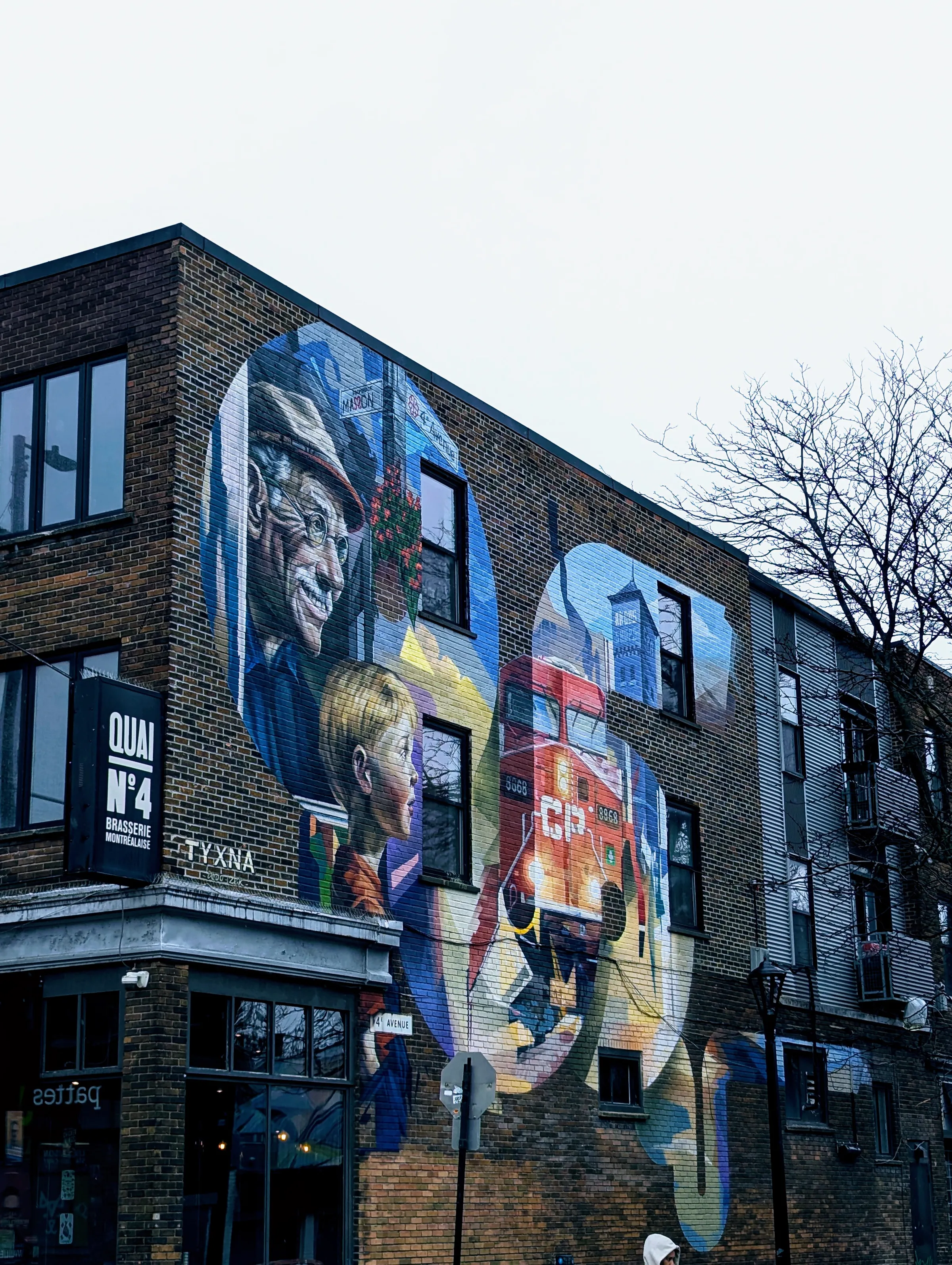
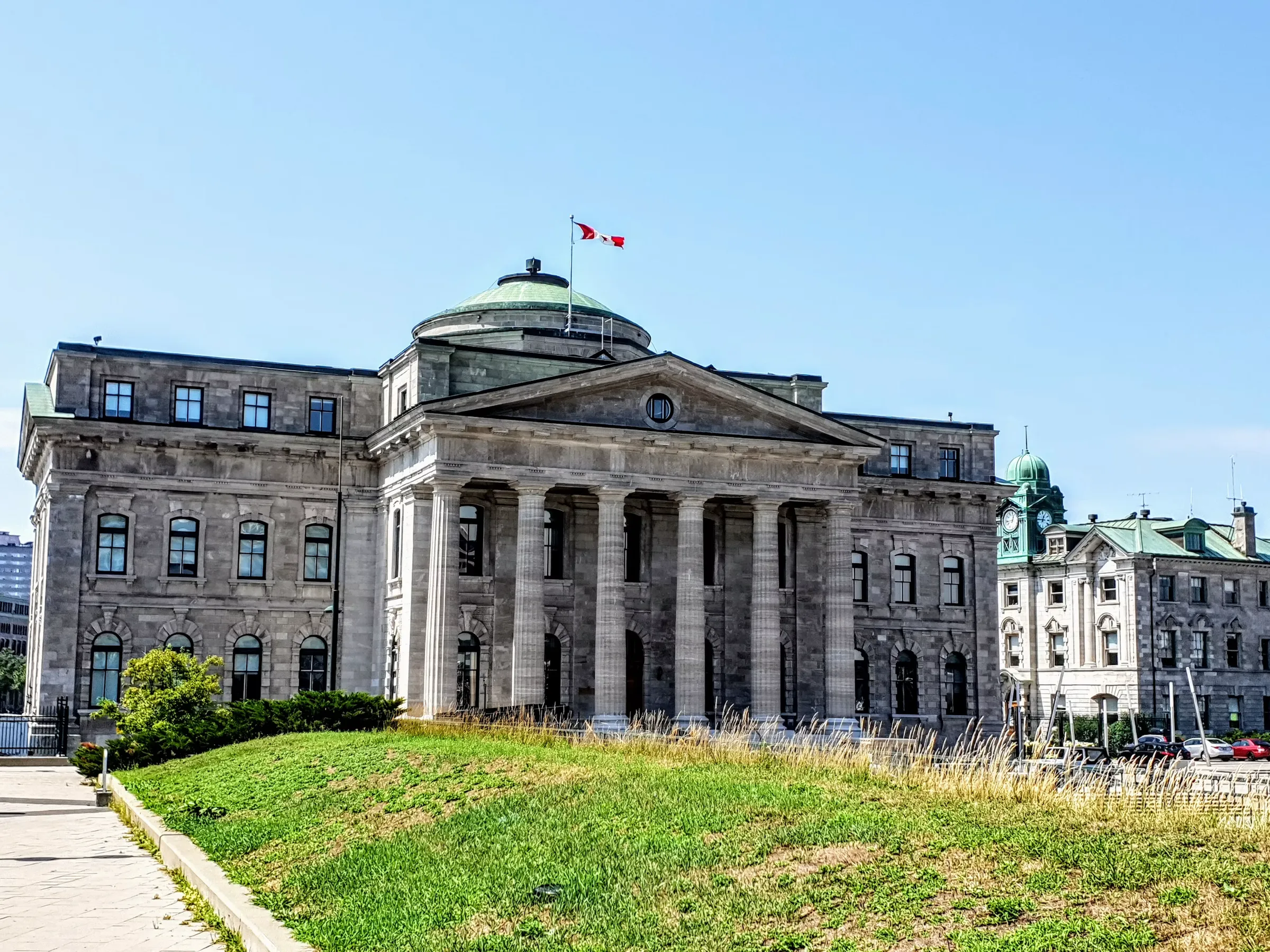
vs
Rosemont-La Petite-Patrie×BrossardRosemont-La Petite-Patrie×GatineauBrossard×Trois-RivièresGatineau×Trois-RivièresLe Plateau-Mont-Royal×VerdunLachine×Saint-LaurentLaval×QuébecGatineau×SaguenayLa Cité-Limoilou×Sainte-Foy–Sillery–Cap-RougeBeauport×CharlesbourgOutremont×Sainte-Foy–Sillery–Cap-RougeLe Plateau-Mont-Royal×La Cité-LimoilouRosemont-La Petite-Patrie×BrossardRosemont-La Petite-Patrie×GatineauBrossard×Trois-RivièresGatineau×Trois-RivièresLe Plateau-Mont-Royal×VerdunLachine×Saint-LaurentLaval×QuébecGatineau×SaguenayLa Cité-Limoilou×Sainte-Foy–Sillery–Cap-RougeBeauport×CharlesbourgOutremont×Sainte-Foy–Sillery–Cap-RougeLe Plateau-Mont-Royal×La Cité-Limoilou
Comparison
The same numbers,
side by side.
Trois-Rivières leads on 3 of the 5 dimensions compared. Reading across 10 comparable indicators between Rosemont-La Petite-Patrie and Trois-Rivières. Rosemont-La Petite-Patrie records 134,038 residents on population, against 139,160 residents in Trois-Rivières; on area, Rosemont-La Petite-Patrie reaches 15.9 km² while Trois-Rivières sits at 288.7 km²; 8,457 residents per km² on density in Rosemont-La Petite-Patrie, 482 residents per km² in Trois-Rivières. On area, Trois-Rivières counts 18.2× more than Rosemont-La Petite-Patrie; on density, Rosemont-La Petite-Patrie leads by 17.5× more.
| Indicator | Rosemont-La Petite-Patrie | Trois-Rivières |
|---|---|---|
| Population (residents) | 134 038 | 139 160 |
| Area (square kilometres) | 15,9 km² | 288,7 km² |
| Density (residents per km²) | 8 457 | 482 |
| Households (households) | 75 060 | 66 820 |
| Schools (schools (MEQ)) | 37 | 42 |
| Primary schools (primary schools) | 23 | 28 |
| Secondary schools (secondary schools) | 5 | 3 |
| Public schools (public schools) | 31 | 34 |
| Private schools (private schools) | 6 | 8 |
| CEGEPs (CEGEPs and colleges) | 10 | 8 |
In short
Choosing between urban energy and vast open spaces comes down to a dramatic difference in size, as Trois-Rivières has about 18.2 times more area (1721% more) than Rosemont-La Petite-Patrie with its 288.7 km². Conversely, the Montreal neighborhood shows a density of 8,457 people per km², which is about 17.5 times more (1654% more) than the city of Trois-Rivières. This gap shapes two distinct lifestyles, one vertical and centered on active transit with 75,060 households, the other spacious and river-oriented for its 139,160 residents.
Questions
Questions about Rosemont-La Petite-Patrie vs Trois-Rivières
- How does the difference in density affect daily life?
- Rosemont-La Petite-Patrie has 8,457 people per km² compared to just 482 in Trois-Rivières, an absolute difference of 7,975. You will choose between walkable urban amenities in Montreal or spacious private yards in Mauricie.
- Which area offers better schooling options for my children?
- Trois-Rivières offers 42 schools in total, which is 6 more than Rosemont-La Petite-Patrie. While the Montreal neighborhood has 5 secondary schools (67% more than Trois-Rivières), the Mauricie city stands out with 28 primary schools, representing 27% more than its rival.
- What is the balance between public and private education?
- Trois-Rivières has 34 public schools and 8 private schools, representing 33% more private schools than Rosemont-La Petite-Patrie. The Montreal district remains competitive with 30 public institutions and 6 private schools.
- What are the options for college-level education?
- Rosemont-La Petite-Patrie has 10 CEGEPs, which is 25% more than Trois-Rivières with its 8 colleges. This absolute difference of 2 institutions ensures a rich variety of pre-university and technical programs in both locations.
- How does the household structure differ between these two areas?
- Rosemont-La Petite-Patrie counts 75,060 households for a population of 134,038, showing a high ratio of single-person or couple households. In Trois-Rivières, there are 66,820 households for 139,160 residents, indicating larger family-oriented homes.
Other pairs
Explore other comparisons.
Compare 2 other neighbourhoods
Pick freely from all covered places.