Rivière-des-Prairies-Pointe-aux-Trembles vs Lévis
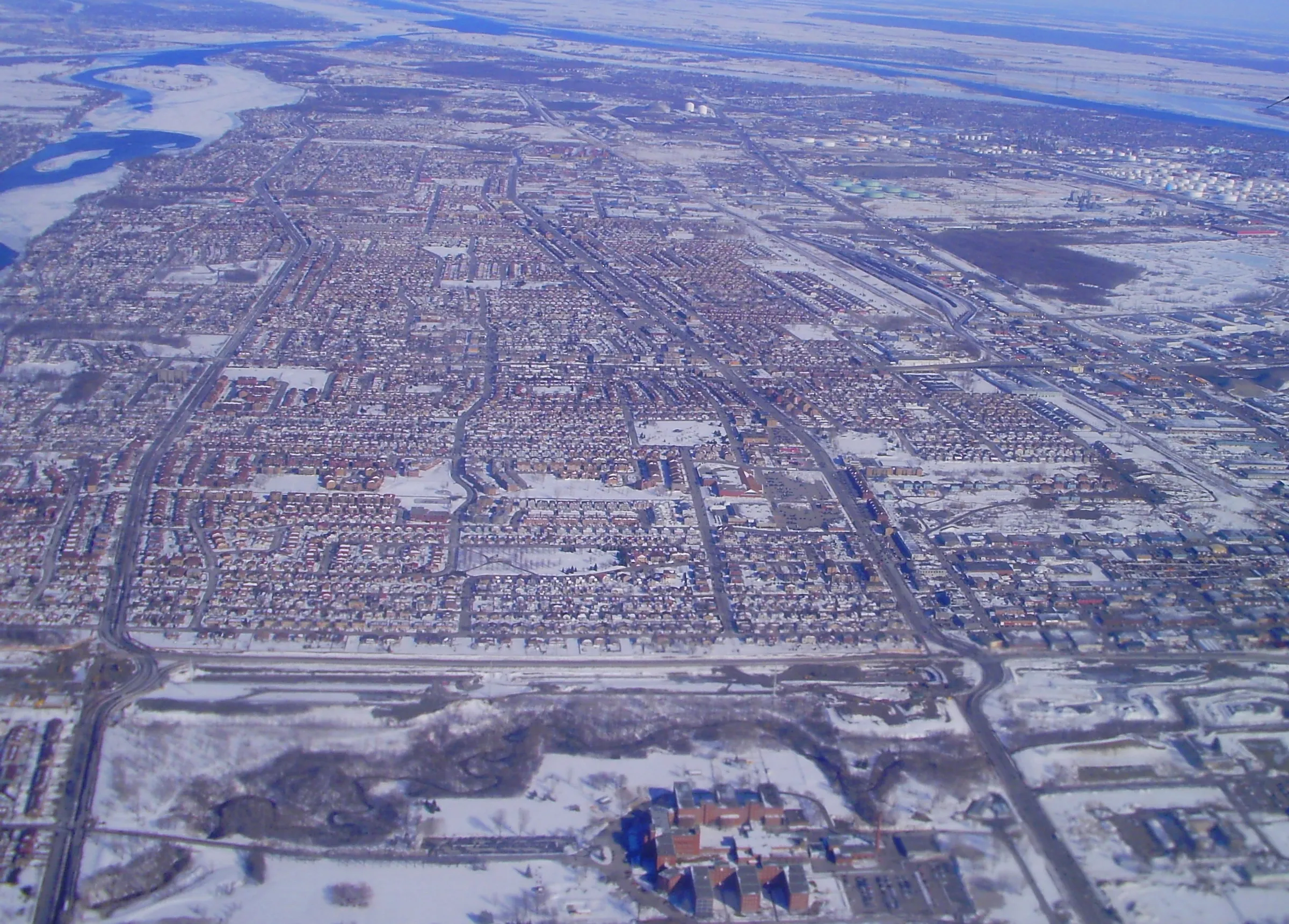
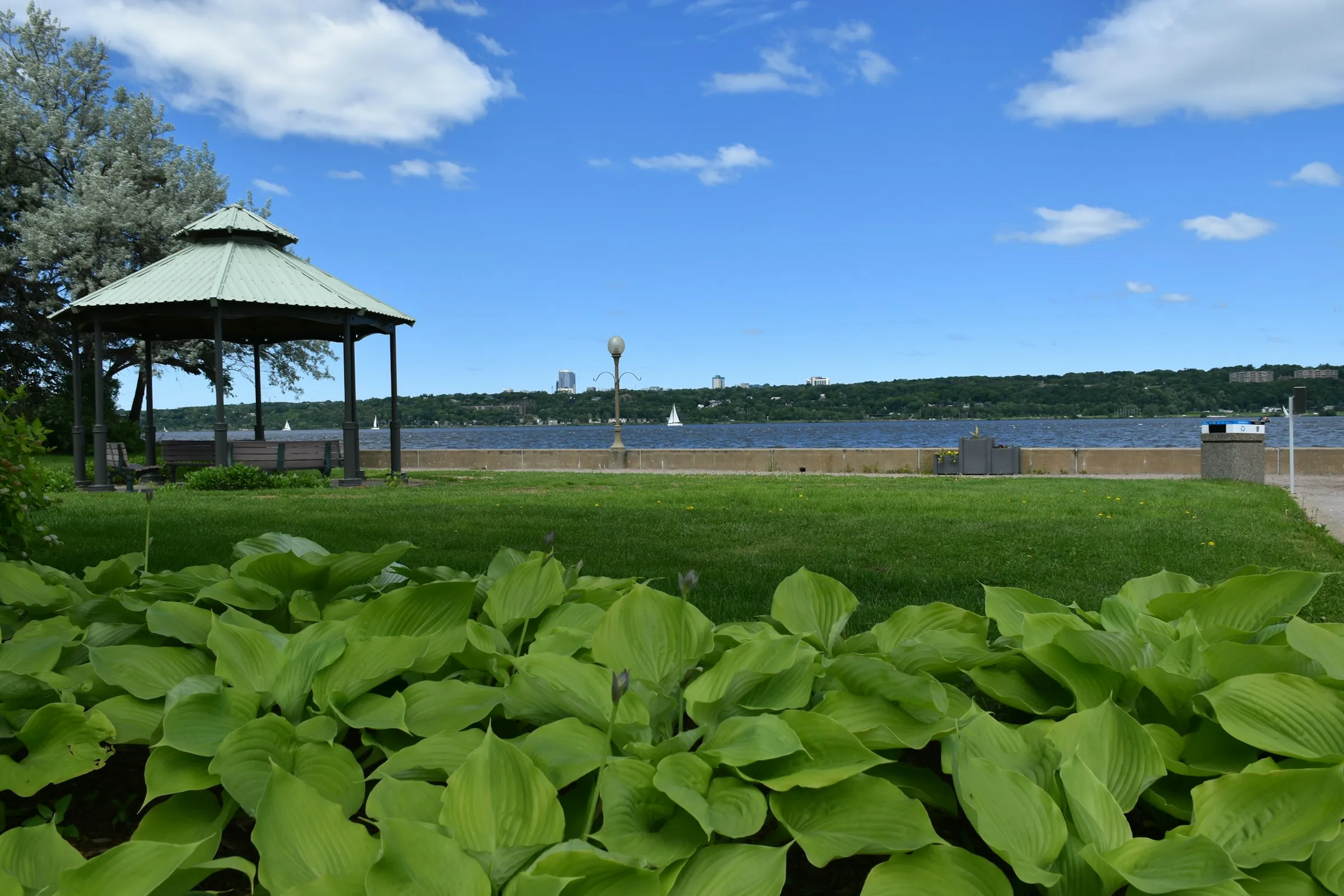
vs
Rivière-des-Prairies-Pointe-aux-Trembles×BrossardRivière-des-Prairies-Pointe-aux-Trembles×GatineauBrossard×LévisGatineau×LévisLe Plateau-Mont-Royal×VerdunOutremont×Rosemont-La Petite-PatrieLachine×Saint-LaurentSherbrooke×Trois-RivièresLaval×QuébecGatineau×SaguenayLa Cité-Limoilou×Sainte-Foy–Sillery–Cap-RougeBeauport×CharlesbourgOutremont×Sainte-Foy–Sillery–Cap-RougeLe Plateau-Mont-Royal×La Cité-LimoilouRivière-des-Prairies-Pointe-aux-Trembles×BrossardRivière-des-Prairies-Pointe-aux-Trembles×GatineauBrossard×LévisGatineau×LévisLe Plateau-Mont-Royal×VerdunOutremont×Rosemont-La Petite-PatrieLachine×Saint-LaurentSherbrooke×Trois-RivièresLaval×QuébecGatineau×SaguenayLa Cité-Limoilou×Sainte-Foy–Sillery–Cap-RougeBeauport×CharlesbourgOutremont×Sainte-Foy–Sillery–Cap-RougeLe Plateau-Mont-Royal×La Cité-Limoilou
Comparison
The same numbers,
side by side.
Lévis leads on 3 of the 3 dimensions compared. Rivière-des-Prairies-Pointe-aux-Trembles and Lévis share 10 comparable indicators. Rivière-des-Prairies-Pointe-aux-Trembles holds 106,437 residents on population, 149,680 residents for Lévis; Rivière-des-Prairies-Pointe-aux-Trembles shows 51.2 km² on area versus 448.1 km² for Lévis; Rivière-des-Prairies-Pointe-aux-Trembles records 2,081 residents per km² on density, against 334 residents per km² in Lévis. Lévis has 8.8× more area than Rivière-des-Prairies-Pointe-aux-Trembles, but Rivière-des-Prairies-Pointe-aux-Trembles catches up in density with 6.2× more.
| Indicator | Rivière-des-Prairies-Pointe-aux-Trembles | Lévis |
|---|---|---|
| Population (residents) | 106 437 | 149 680 |
| Area (square kilometres) | 51,2 km² | 448,1 km² |
| Density (residents per km²) | 2 081 | 334 |
| Households (households) | 43 775 | 65 750 |
| Schools (schools (MEQ)) | 27 | 40 |
| Primary schools (primary schools) | 16 | 26 |
| Secondary schools (secondary schools) | 6 | 6 |
| Public schools (public schools) | 24 | 35 |
| Private schools (private schools) | 3 | 5 |
| CEGEPs (CEGEPs and colleges) | 3 | 3 |
In short
Lévis stands out for its immense territory, featuring an area of 448.1 km² which is about 8.8 times larger (or 776% more) than that of Rivière-des-Prairies-Pointe-aux-Trembles, which is limited to 51.2 km². This vast space explains why Rivière-des-Prairies-Pointe-aux-Trembles has a population density about 6.2 times higher (or 523% more) with 2,081 residents per km² compared to just 334 in Lévis. While the Montreal borough groups 106,437 residents in a compact waterfront setting, the large city in Chaudière-Appalaches spreads its 149,680 residents and 65,750 households across a much larger scale.
Questions
Questions about Rivière-des-Prairies-Pointe-aux-Trembles vs Lévis
- What is the main difference in living environment between Rivière-des-Prairies-Pointe-aux-Trembles and Lévis?
- Rivière-des-Prairies-Pointe-aux-Trembles offers a dense Montreal neighborhood life with 2,081 residents per km². Lévis provides wide-open spaces with a density of 334 residents per km², perfect for those seeking tranquility.
- How does the school offer compare for families?
- Lévis has 40 schools, which is 48% more than Rivière-des-Prairies-Pointe-aux-Trembles with 27 schools. For secondary education, both territories are tied with 6 schools each.
- Is there a noticeable difference for primary and private education?
- Lévis features 26 primary schools, which is 63% more than the Montreal borough with 16. Lévis also offers 5 private schools, representing 67% more than the 3 private schools in Rivière-des-Prairies-Pointe-aux-Trembles.
- Which area hosts a larger number of households?
- Lévis is home to 65,750 households, representing 50% more than Rivière-des-Prairies-Pointe-aux-Trembles with its 43,775 households. This is made possible by the vast territory of Quebec City's south shore which supports residential development.
Other pairs
Explore other comparisons.
Compare 2 other neighbourhoods
Pick freely from all covered places.