Montréal-Nord vs Les Rivières

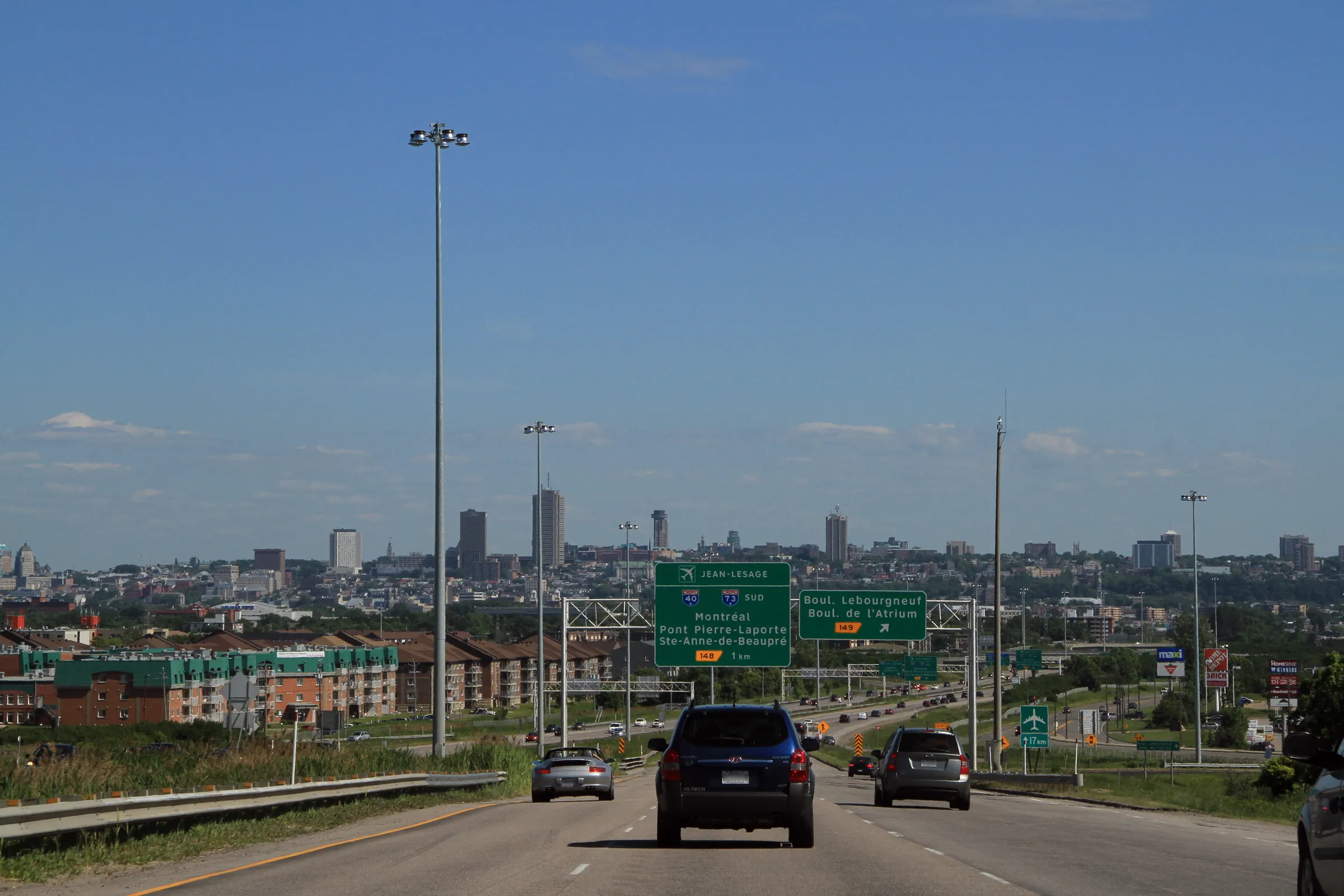
vs
Montréal-Nord×BrossardMontréal-Nord×GatineauBrossard×Les RivièresGatineau×Les RivièresLe Plateau-Mont-Royal×VerdunOutremont×Rosemont-La Petite-PatrieLachine×Saint-LaurentSherbrooke×Trois-RivièresLaval×QuébecGatineau×SaguenayLa Cité-Limoilou×Sainte-Foy–Sillery–Cap-RougeBeauport×CharlesbourgOutremont×Sainte-Foy–Sillery–Cap-RougeLe Plateau-Mont-Royal×La Cité-LimoilouMontréal-Nord×BrossardMontréal-Nord×GatineauBrossard×Les RivièresGatineau×Les RivièresLe Plateau-Mont-Royal×VerdunOutremont×Rosemont-La Petite-PatrieLachine×Saint-LaurentSherbrooke×Trois-RivièresLaval×QuébecGatineau×SaguenayLa Cité-Limoilou×Sainte-Foy–Sillery–Cap-RougeBeauport×CharlesbourgOutremont×Sainte-Foy–Sillery–Cap-RougeLe Plateau-Mont-Royal×La Cité-Limoilou
Comparison
The same numbers,
side by side.
Montréal-Nord leads on 4 of the 6 dimensions compared. Montréal-Nord and Les Rivières share 10 comparable indicators. Montréal-Nord holds 83,868 residents on population, 74,689 residents for Les Rivières; Montréal-Nord shows 12.4 km² on area versus 49.2 km² for Les Rivières; Montréal-Nord records 6,742 residents per km² on density, against 1,519 residents per km² in Les Rivières. density: Montréal-Nord ahead by 4.4× more. area: Les Rivières ahead by 4× more.
| Indicator | Montréal-Nord | Les Rivières |
|---|---|---|
| Population (residents) | 83 868 | 74 689 |
| Area (square kilometres) | 12,4 km² | 49,2 km² |
| Density (residents per km²) | 6 742 | 1 519 |
| Public trees (maintained public trees) | 2 | 33 449 |
| Bus stops (stops) | 316 | 758 |
| Schools (schools (MEQ)) | 21 | 16 |
| Primary schools (primary schools) | 13 | 12 |
| Secondary schools (secondary schools) | 6 | 3 |
| Public schools (public schools) | 19 | 15 |
| Private schools (private schools) | 2 | 1 |
In short
The most striking difference between these two sectors lies in their canopy, since Les Rivières has 33,449 public trees, which is about 16,724.5 times more (or 1,672,350% more) than Montréal-Nord which only records 2. This disparity is explained by the layout of the territories, Montréal-Nord being a highly compact urban environment with a density of 6,742 inhabitants per km², which is about 4.4 times more (or 344% more) than Les Rivières with its 1,519 inhabitants per km². Les Rivières spans an area of 49.2 km², representing about 4 times more (or 295% more) space than the 12.4 km² of its Montreal counterpart, with an absolute difference of 36.7 km².
Questions
Questions about Montréal-Nord vs Les Rivières
- Which sector offers the better public transit network?
- Les Rivières has 758 bus stops, which is about 2.4 times more (or 140% more) than Montréal-Nord which has 316, representing an absolute difference of 442 stops.
- How does the overall school offering compare between the two sectors?
- Montréal-Nord offers a larger selection with 21 total schools compared to 16 in Les Rivières, representing an absolute difference of 5 institutions. It features 13 primary schools and 19 public schools, compared to 12 primary schools and 15 public schools in Les Rivières.
- What about access to secondary schools?
- Montréal-Nord has 6 secondary schools, which is about 2 times more (or 100% more) than Les Rivières which has 3, representing an absolute difference of 3 institutions.
- Is it easy to find private schools in these territories?
- Montréal-Nord has 2 private schools, which is about 2 times more (or 100% more) than Les Rivières which has only 1, representing an absolute difference of 1 institution.
- Which sector is more populated?
- Montréal-Nord has a population of 83,868 compared to 74,689 for Les Rivières. This represents an absolute difference of 9,179 residents in favor of Montréal-Nord.
Other pairs
Explore other comparisons.

Compare 2 other neighbourhoods
Pick freely from all covered places.