Mercier-Hochelaga-Maisonneuve vs Québec
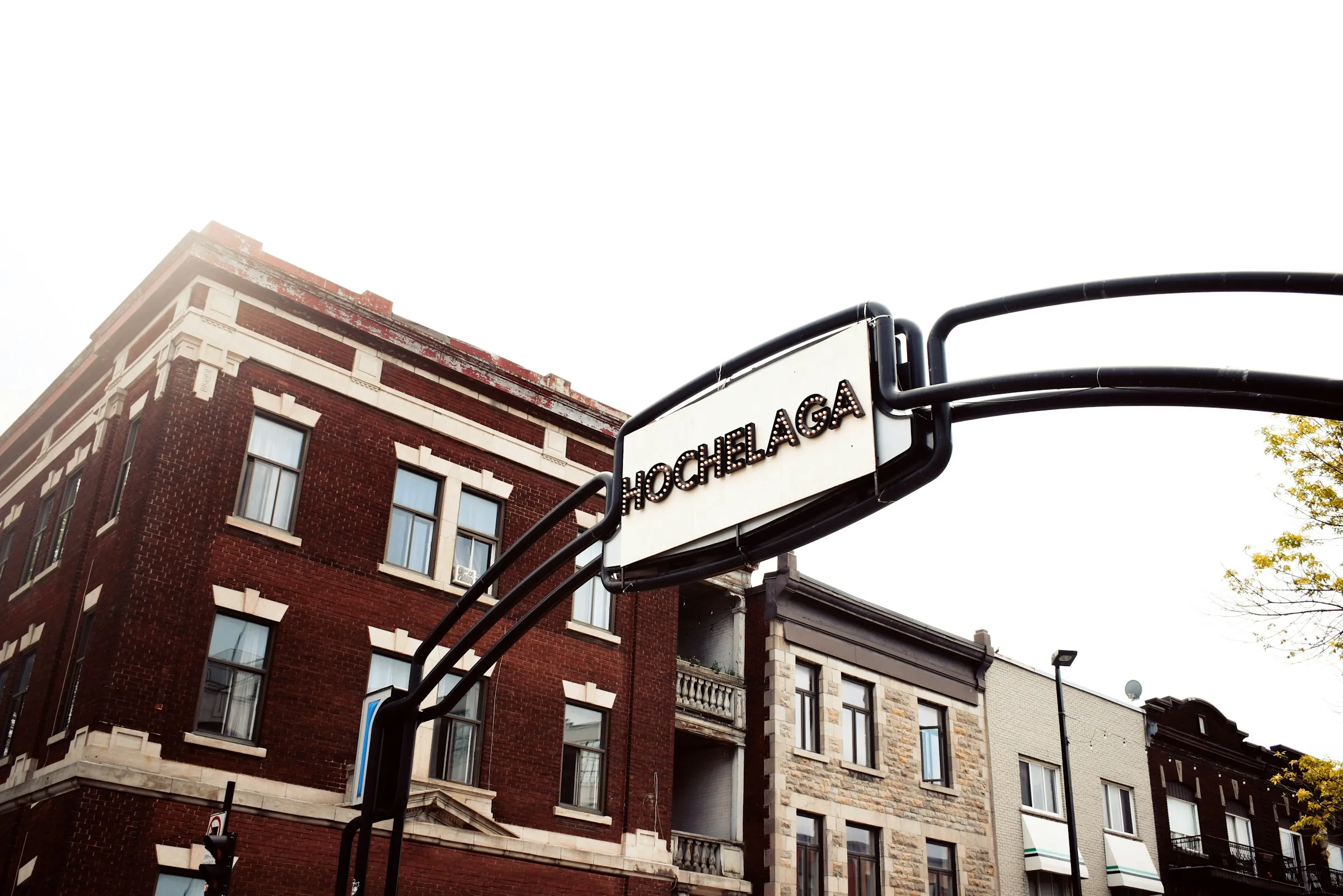
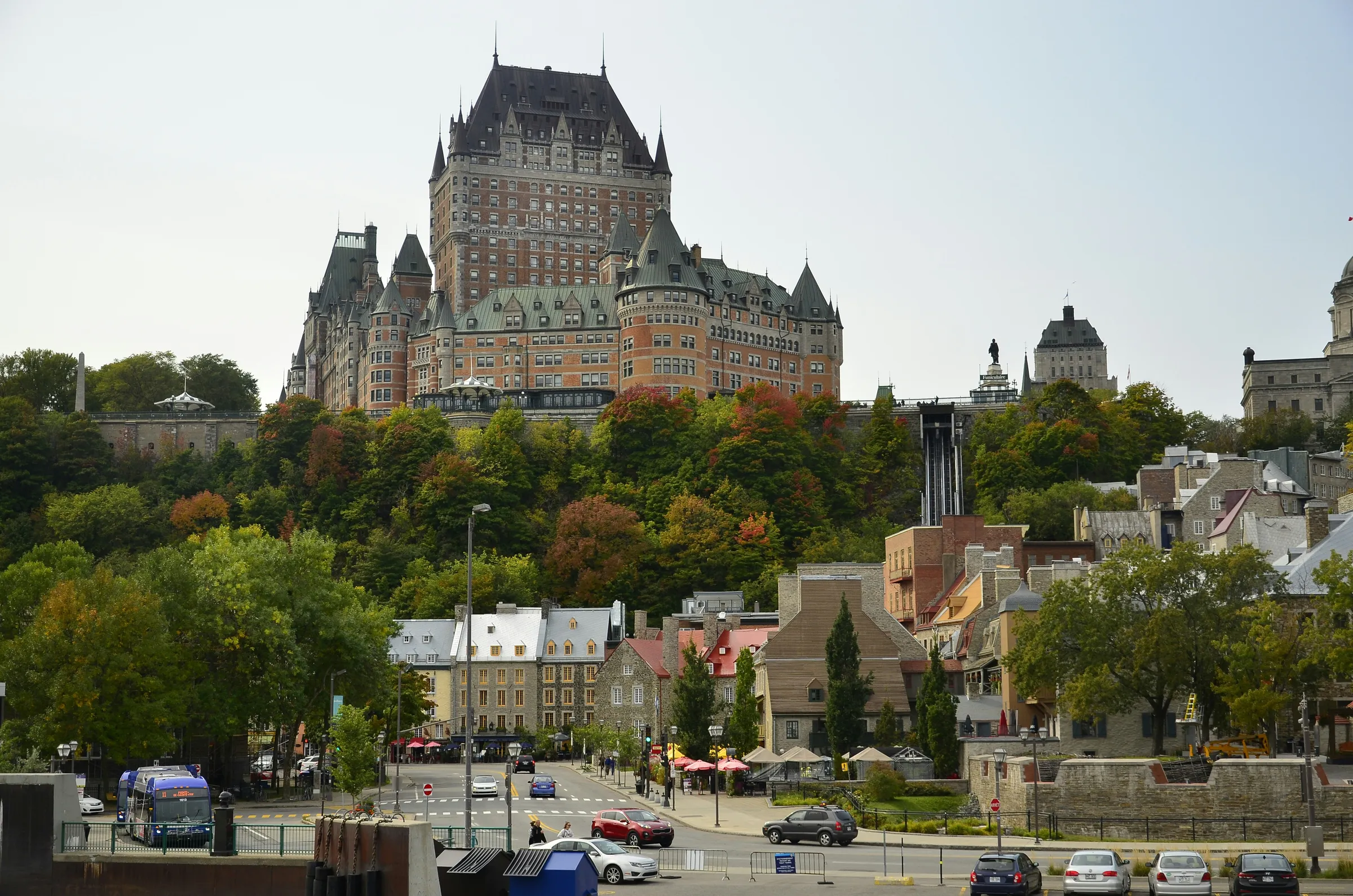
vs
Mercier-Hochelaga-Maisonneuve×BrossardMercier-Hochelaga-Maisonneuve×GatineauBrossard×QuébecGatineau×QuébecLe Plateau-Mont-Royal×VerdunOutremont×Rosemont-La Petite-PatrieLachine×Saint-LaurentSherbrooke×Trois-RivièresGatineau×SaguenayLa Cité-Limoilou×Sainte-Foy–Sillery–Cap-RougeBeauport×CharlesbourgOutremont×Sainte-Foy–Sillery–Cap-RougeLe Plateau-Mont-Royal×La Cité-LimoilouMercier-Hochelaga-Maisonneuve×BrossardMercier-Hochelaga-Maisonneuve×GatineauBrossard×QuébecGatineau×QuébecLe Plateau-Mont-Royal×VerdunOutremont×Rosemont-La Petite-PatrieLachine×Saint-LaurentSherbrooke×Trois-RivièresGatineau×SaguenayLa Cité-Limoilou×Sainte-Foy–Sillery–Cap-RougeBeauport×CharlesbourgOutremont×Sainte-Foy–Sillery–Cap-RougeLe Plateau-Mont-Royal×La Cité-Limoilou
Comparison
The same numbers,
side by side.
Québec leads on 6 of the 6 dimensions compared. Mercier-Hochelaga-Maisonneuve and Québec share 11 comparable indicators. Mercier-Hochelaga-Maisonneuve records 131,483 residents on population, against 549,460 residents in Québec; on area, Mercier-Hochelaga-Maisonneuve reaches 27.4 km² while Québec sits at 452.3 km²; 4,807 residents per km² on density in Mercier-Hochelaga-Maisonneuve, 1,215 residents per km² in Québec. area: Québec ahead by 16.5× more. density: Mercier-Hochelaga-Maisonneuve ahead by 4× more.
| Indicator | Mercier-Hochelaga-Maisonneuve | Québec |
|---|---|---|
| Population (residents) | 131 483 | 549 460 |
| Area (square kilometres) | 27,4 km² | 452,3 km² |
| Density (residents per km²) | 4 807 | 1 215 |
| Households (households) | 69 570 | 265 710 |
| Bus stops (stops) | 529 | 4 066 |
| Schools (schools (MEQ)) | 32 | 133 |
| Primary schools (primary schools) | 21 | 84 |
| Secondary schools (secondary schools) | 8 | 22 |
| Public schools (public schools) | 30 | 114 |
| Private schools (private schools) | 2 | 19 |
| CEGEPs (CEGEPs and colleges) | 8 | 23 |
In short
The major difference between these two territories lies in their geographic scale, with the city of Québec covering an area of 452.3 km², which is about 16.5 times more (1554% more) than the Montreal borough of Mercier-Hochelaga-Maisonneuve and its 27.4 km². This vast space allows the Capitale-Nationale to host a population of 549,460 residents in a more spread-out setting, while the Montreal sector concentrates its 131,483 residents in a much tighter urban environment. Choosing between the two means opting for the dense and dynamic neighborhood life of the metropolis or the pace of a major regional city.
Questions
Questions about Mercier-Hochelaga-Maisonneuve vs Québec
- What is the difference in population density between the two sectors?
- Mercier-Hochelaga-Maisonneuve has a high density of 4,807 residents per km², compared to 1,215 residents per km² for Québec. The absolute difference of 3,593 residents per km² translates into a lively, close-knit neighborhood life in Montreal, versus more spacious residential areas in Québec.
- How does the public transit offering compare?
- Québec has 4,066 bus stops, which is about 7.7 times more (669% more) than Mercier-Hochelaga-Maisonneuve with 529. This difference of 3,537 stops is explained by the vast territory to cover in the capital, while the Montreal borough relies on a more compact network.
- What are the options for children's schooling?
- Québec offers 133 schools (including 114 public and 19 private), while Mercier-Hochelaga-Maisonneuve has 32 (including 30 public and 2 private). The capital offers about 9.5 times more (850% more) private schools, with an absolute difference of 17 institutions.
- Which territory hosts the largest number of households?
- Québec is home to 265,710 households compared to 69,570 for Mercier-Hochelaga-Maisonneuve, representing an absolute difference of 196,140 households. This difference is explained by Québec's status as a major city, offering a variety of residential neighborhoods suitable for families.
- What is the access to college education like?
- Québec has 22 CEGEPs on its territory, while Mercier-Hochelaga-Maisonneuve has 8. The absolute difference is 14 college institutions in favor of the capital.
Other pairs
Explore other comparisons.
Compare 2 other neighbourhoods
Pick freely from all covered places.