ClearX Drains
5.0
81 reviews
5253 Avenue du Parc, Montreal H2V 4P2
Plumbers listed in your neighbourhood.
At a glance
Among the 3 plumbers listed by Explore Ma Ville in Le Plateau-Mont-Royal.
81 reviews in total
Weighted average rating 5.0 out of 5 (81 Google reviews in total).
1 out of 3 have an active website.
Ratings and reviews sourced from Google Places.
5.0
81 reviews
5253 Avenue du Parc, Montreal H2V 4P2
2600 Rue Angus, Montréal H2H 1P3
4437 Rue Chambord, Montréal H2J 3M5
The trade in this neighbourhood
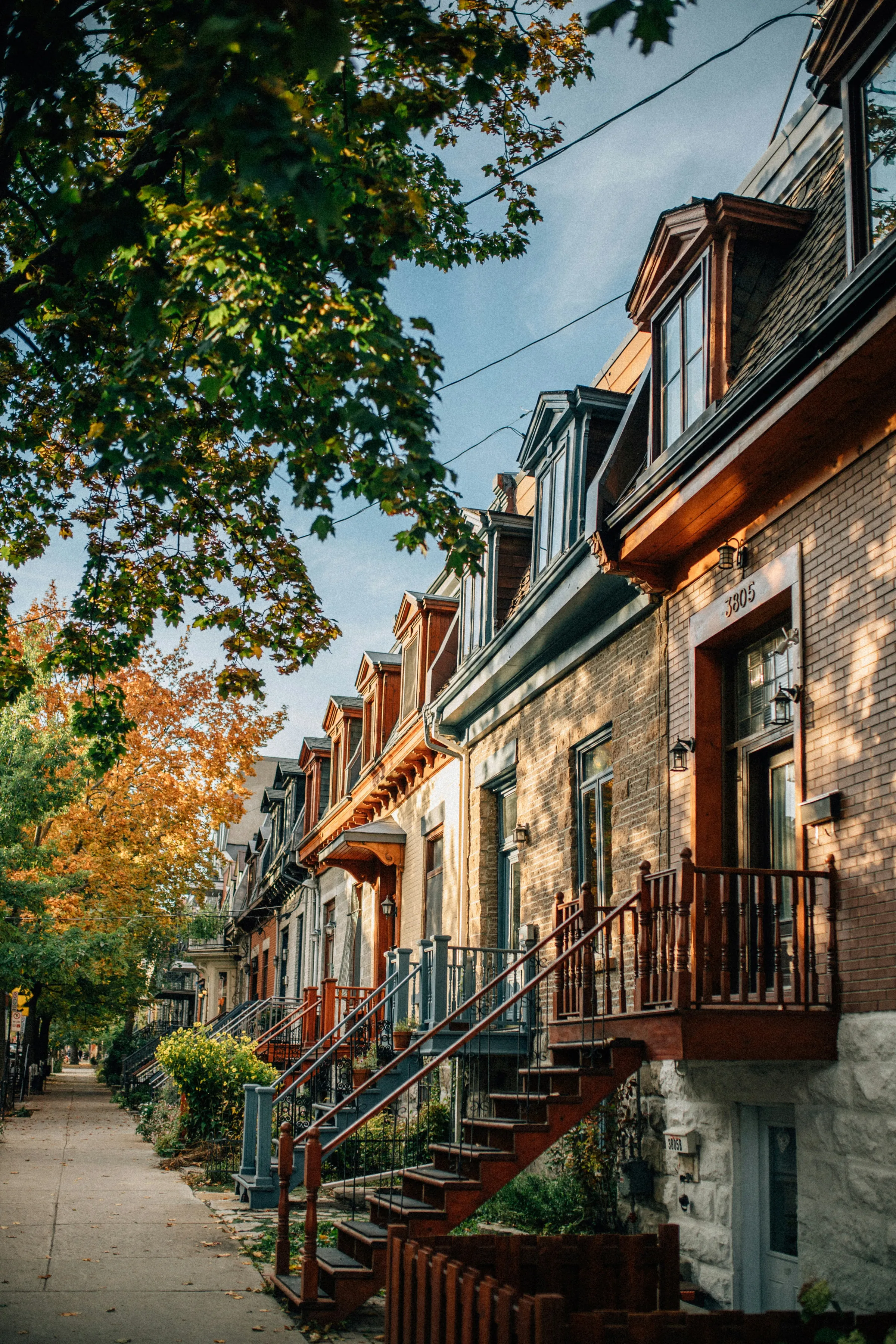
In Plateau-Mont-Royal, plumbers face a unique built reality. With a median construction year of the housing stock set at 1915, professionals work in the heart of century-old structures. The daily work requires a high capacity for adaptation to deal with vintage installations, often modified over decades, hidden behind old walls that must be opened with care.
The neighborhood's occupancy structure also shapes daily operations. Since renter households represent 72% of the local population, plumbers must navigate a tripartite dynamic, coordinating their interventions between the occupants of the premises and often absent owners. Additionally, with 10.9% of dwellings needing major repairs, emergency interventions for pipe bursts or pressure drops are common.
The highly dense urban fabric leaves little room for sprawl. Single-family homes represent only 2.5% of the housing stock, meaning that plumbers work almost exclusively in narrow multiplexes. These interventions on shared vertical distribution networks require a deep understanding of trade practices, under the general oversight of the Régie du bâtiment du Québec (RBQ), to ensure the safety and sanitation of these collective living spaces.
Other professionals in Le Plateau-Mont-Royal