Polo Inspection
5.0
170 reviews
6402 Avenue Del Vecchio, Montréal H1M 2E4
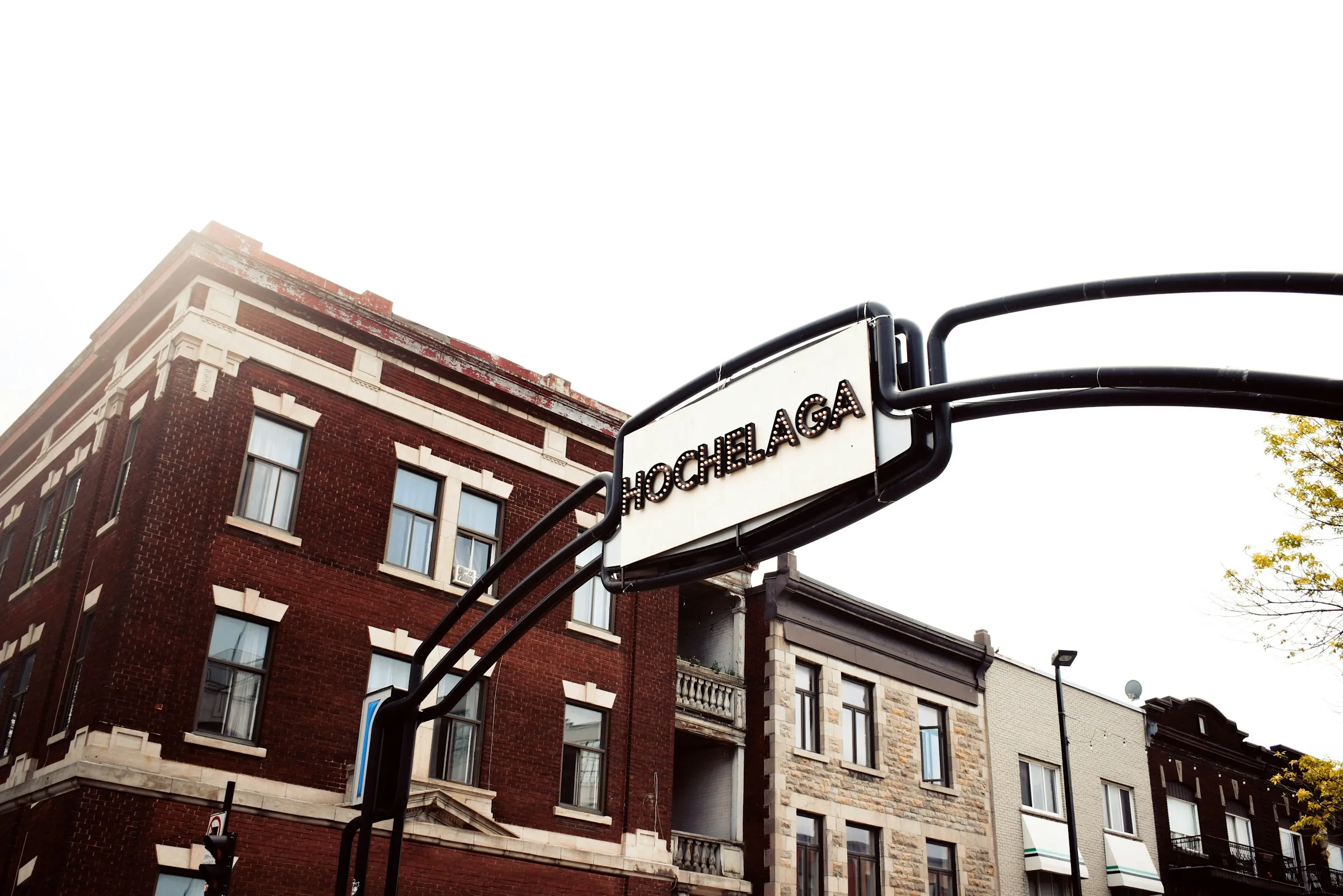
Home inspectors listed in your neighbourhood.
At a glance
Among the 3 home inspectors listed by Explore Ma Ville in Mercier-Hochelaga-Maisonneuve.
180 reviews in total
Weighted average rating 5.0 out of 5 (180 Google reviews in total).
3 out of 3 have an active website.
Ratings and reviews sourced from Google Places.
5.0
170 reviews
6402 Avenue Del Vecchio, Montréal H1M 2E4
2356 Rue Aylwin, Montréal H1W 3C6
5.0
4 reviews
6032 Avenue de Charette, Montréal H1M 1E1
The trade in this neighbourhood
With a median construction year of 1963, the housing stock in Mercier-Hochelaga-Maisonneuve requires building inspectors to possess sharp expertise in aging structures. In this eastern Montreal sector where single-family homes represent only 9.9% of the residential landscape, the inspector's work focuses mainly on evaluating plexes and income properties. These multi-unit buildings, constructed in the mid-twentieth century, demand special attention to shared elements such as collective roofs and original foundations.
The high proportion of renter households, reaching 65.8%, also shapes the daily practice of this trade. Inspectors are frequently hired by buyers looking to acquire rental properties who need to assess the overall condition of multiple units simultaneously. Knowing that 9.2% of dwellings in the area require major repairs, the inspector's impartial eye helps quantify the scope of structural or envelope work before signing the transaction.
Other professionals in Mercier-Hochelaga-Maisonneuve