Rénovations C.T.R Inc
5.0
16 reviews
2554 Rue Bossuet, Montréal H1N 2S4
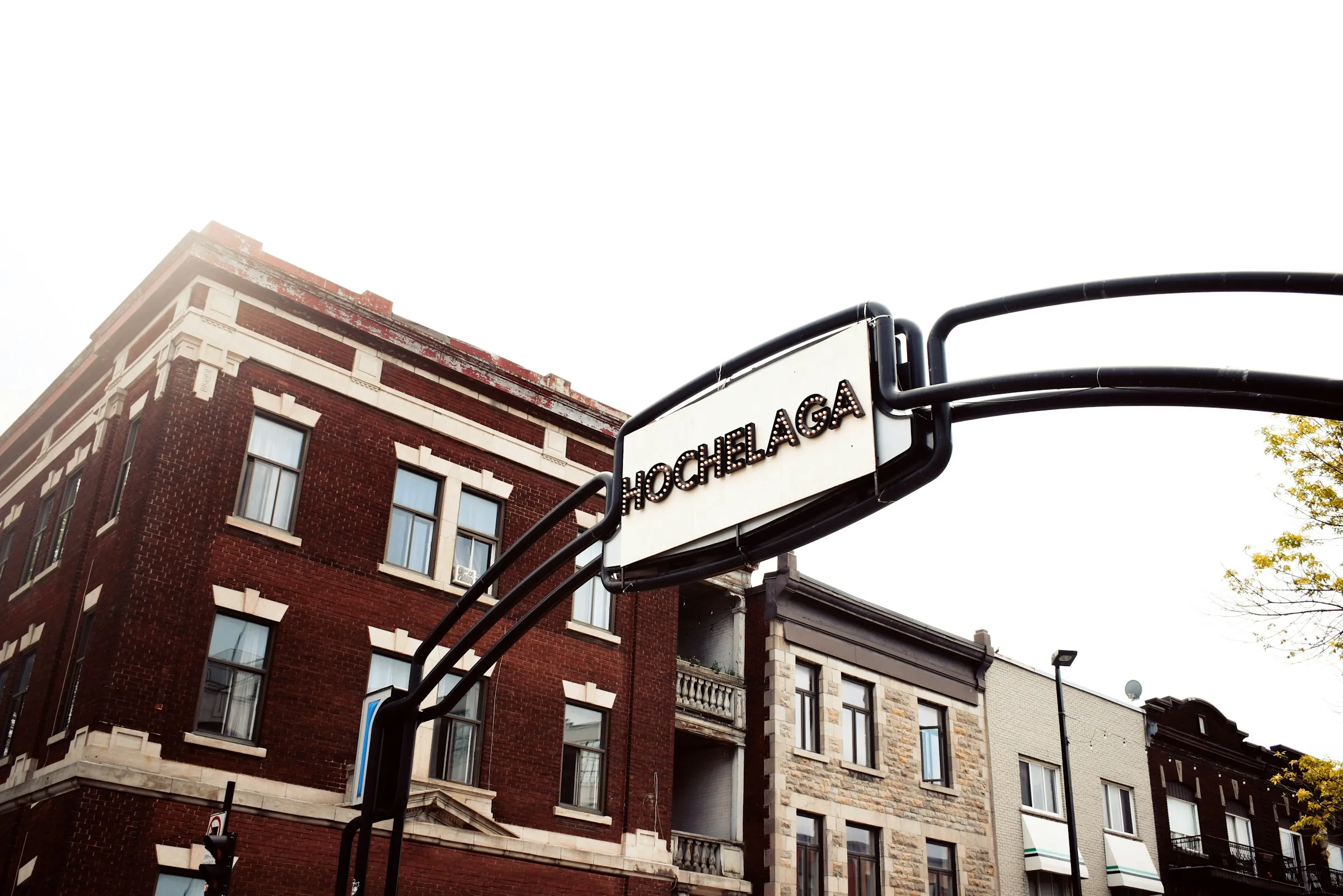
Renovation contractors listed in your neighbourhood.
At a glance
Among the 3 renovation contractors listed by Explore Ma Ville in Mercier-Hochelaga-Maisonneuve.
55 reviews in total
Weighted average rating 4.7 out of 5 (55 Google reviews in total).
3 out of 3 have an active website.
Ratings and reviews sourced from Google Places.
5.0
16 reviews
2554 Rue Bossuet, Montréal H1N 2S4
3180 Rue de Rouville, Montréal H1W 2B1
4.2
19 reviews
9458 Avenue Pierre-De Coubertin, Montréal H1L 2H8
The trade in this neighbourhood
In Mercier-Hochelaga-Maisonneuve, renovation contractors work within a dense urban landscape where the median construction year of the housing stock is 1963. Since single-family homes represent only 9.9% of properties, most projects target multi-unit buildings. This structural reality forces professionals to adapt their methods to shared structures and common walls, making project management particularly delicate in populated environments.
The neighborhood's occupancy status directly influences project planning. With renter households representing 65.8% of the local population, contractors must coordinate their interventions to minimize disruptions for tenants while meeting the demands of property owners. In this context where 9.2% of dwellings need major repairs, holding a license from the Régie du bâtiment du Québec (RBQ) is essential to successfully complete complex structural restoration projects.
Other professionals in Mercier-Hochelaga-Maisonneuve